Man Talk may earn a commission when you buy through links on this page. That never changes what gets recommended, and it never changes the price you pay.
Anbernic vs. Retroid vs. Miyoo: Which Brand Fits You
Anbernic, Retroid, and Miyoo build most of the retro handhelds worth buying in 2026, and each brand serves a different player. The short answer: buy Anbernic for variety and value, Retroid for raw Android power, and Miyoo for cheap pocket-sized simplicity. The Anbernic vs Retroid question usually comes down to budget and ambition. Anbernic covers everything from $50 Linux devices to Android machines past $200, with new models landing almost monthly. Retroid builds fewer devices but fits them with flagship-grade phone chips, so PS2 and GameCube emulation actually works. Miyoo stays small and cheap, and its OnionOS community firmware is the most polished software in the budget tier. Firmware shapes daily use as much as hardware does, and each brand lives in a distinct ecosystem. This guide compares the three brands on lineup, price, firmware, build quality, and emulation ceiling. The comparisons rest on published specs and documented community consensus, not marketing copy. Every recommendation names who should skip a brand as well as who should buy it. By the end, the right brand for your library and your budget should be obvious.
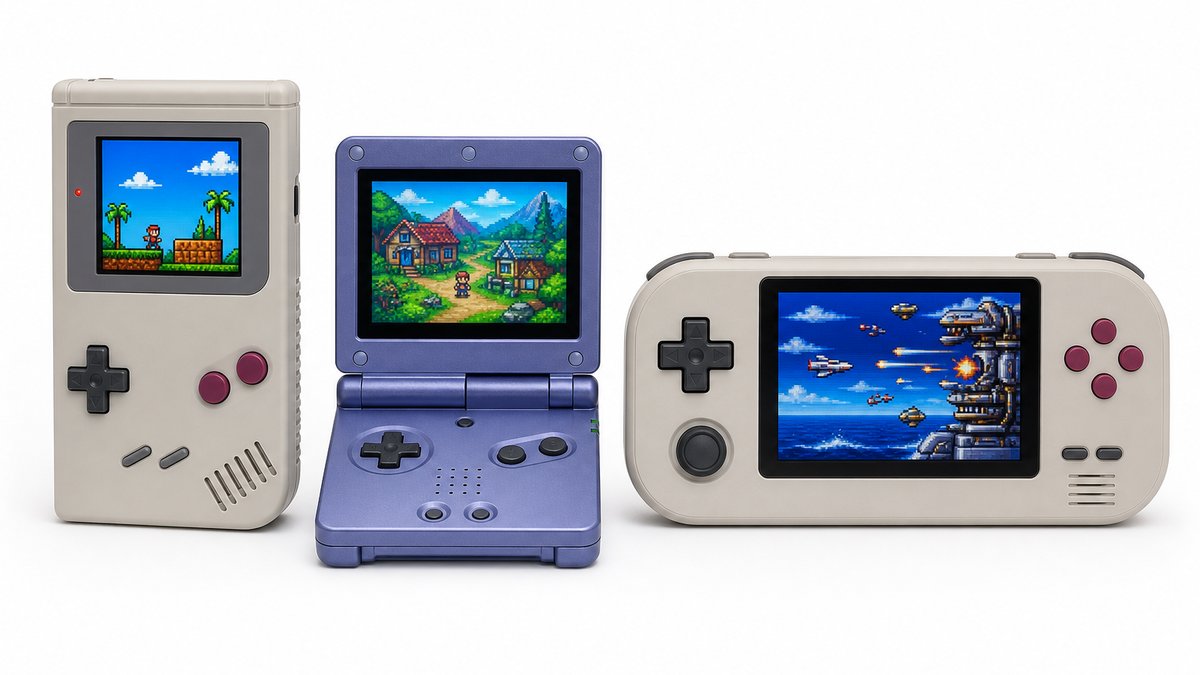
The three brands at a glance
Anbernic sells the widest range, from $50 Linux devices to Android machines past $200. Retroid packs former flagship phone chips into handhelds between roughly $100 and $230. Miyoo owns the cheap, pocketable tier under $80.
| Brand | Core strength | Typical prices | Operating system | Signature devices |
|---|---|---|---|---|
| Anbernic | Variety and value | ~$50–$300 | Linux, some Android | RG35XX SP, RG40XX H, RG557 |
| Retroid | Emulation power | ~$100–$230 | Android | Retroid Pocket 5, Flip 2 |
| Miyoo | Pocket simplicity | ~$40–$80 | Linux | Miyoo Mini Plus, Flip V2 |
Prices in this guide are typical street prices as of mid-2026, and they drift week to week. Sales, import fees, and stock swings can move any figure by $10 or more. Treat every number here as approximate rather than guaranteed. All three companies sell direct through their own stores and through marketplaces like AliExpress. Official stores are the safer source, since marketplace listings mix in clones and outdated hardware revisions.
How this comparison was made
Each brand was judged on five things: model lineup, pricing, firmware ecosystem, build reputation, and emulation ceiling. Man Talk built this comparison from published specifications and the documented consensus of communities like r/SBCGaming, not from paid placements.
That method matters in this niche. All three companies are Chinese manufacturers selling direct, and marketing copy routinely overstates what the chips can do. Community compatibility reports catch the gap between a spec sheet and a Saturday afternoon with the device. Where owners consistently disagree with the marketing, this guide sides with the owners. The staff behind Man Talk bring more than 35 years of combined video game experience to these picks. No first-person testing claims are made here. When a statement needs a source, it comes from published specs and documented owner reports, and disagreements between sources are flagged. Prices were checked against official store listings in July 2026 and rounded to typical street figures.
Anbernic: the biggest catalog in the hobby
Anbernic ships more models than any other retro handheld maker, with releases landing close to monthly. The catalog stretches from $50 vertical Linux devices to Android machines past $200, so almost every budget finds a fit.
The heart of the lineup is the Linux tier built on the Allwinner H700 chip. That covers the horizontal RG35XX H at around $73, the clamshell RG35XX SP at around $75, and the larger RG40XX H at around $85. These devices run everything through PS1 cleanly, with playable N64, Dreamcast, and PSP on top. The horizontal models add dual analog sticks and mini-HDMI output for play on a TV.
Above that sits an Android tier led by devices like the RG556, at around $180. These use mid-range chips such as the Unisoc T820 and add AMOLED screens and deeper system reach. Anbernic also experiments constantly with form factors: clamshells, verticals, sliders, and square-screened devices for grid-based classics. Community reviews consistently rank Anbernic d-pads among the best in the hobby. Current specifications for every model are published at Anbernic's official site.
The trade-offs follow from the pace. Stock software on the Linux devices is serviceable at best, and most owners replace it with MuOS or Knulli. The relentless release schedule means whatever you buy is superseded within months. Hardware revisions sometimes change screens or buttons quietly between production runs, a repeated complaint in owner threads. Buy Anbernic for choice, value, and strong community firmware. Skip it if you want one polished device that stays current for years.
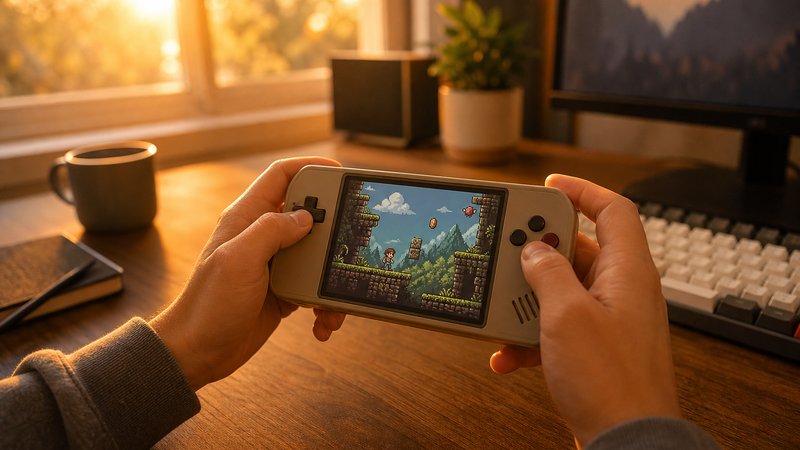
Retroid: flagship power without the flagship price
Retroid builds a small lineup of Android handhelds around powerful phone chips. The Retroid Pocket 5 pairs a Snapdragon 865 with a 5.5-inch 1080p AMOLED touchscreen for around $200, and nothing near that price matches it.
The Pocket 5 anchors the range on Android 13. The Flip 2 puts the same Snapdragon 865 into a clamshell for around $220. The Pocket Mini offers a smaller 3.7-inch AMOLED at around $180, and the Pocket Classic covers the vertical budget slot at around $120. That is nearly the whole catalog, which is the point. Retroid iterates on a few designs instead of flooding the market.
The Snapdragon 865 is the whole argument. It runs most of the PS2 and GameCube libraries well, which no similarly priced competitor manages. Dreamcast, PSP, and everything older run without strain. Android also opens the Play Store, so game streaming and native Android titles sit alongside the emulators. The touchscreen makes emulator menus far less painful than button-only navigation ever is. Video output over USB-C also turns the bigger Retroids into credible living-room consoles.
The costs are real. Android needs setup: emulator installs, controller mappings, and a frontend such as ES-DE or Daijisho. Sleep behavior and battery drain take more managing than any Linux device asks for. Orders ship from China, so delivery can stretch into weeks. Buy Retroid to run the most demanding libraries at the lowest workable price. Skip it if you want a device that works perfectly out of the box in five minutes.
Miyoo: the budget favorite that stays simple
Miyoo makes small, cheap devices that handle the 8-bit through PS1 era extremely well. The Miyoo Mini Plus costs around $60 and remains the benchmark budget handheld three years after launch.
The Mini Plus is the flagship in effect if not in name. Its 3.5-inch 640×480 IPS screen matches the 4:3 shape retro games were drawn for. Paired with OnionOS, it delivers the most pleasant budget experience in the hobby, a view echoed across nearly every community ranking. The Miyoo Flip V2 adds a folding shell and analog sticks for around $60 as well.
The ceiling is real, though. Miyoo chips stop at PS1, and the Mini Plus lacks the analog sticks that N64 and PSP need. There is no HDMI output on the core models, and batteries are modest. Stock firmware is weak enough that installing OnionOS counts as step one of ownership. Stock itself can be a problem too, since popular Miyoo models have a history of selling out for weeks.
For the full budget field guide, see the Man Talk roundup of the best retro gaming handhelds under $100. That guide sets the Mini Plus against its direct rivals, device by device. Buy Miyoo for a cheap, pocketable device that nails the classics. Skip it if your wishlist includes anything newer than the PS1.
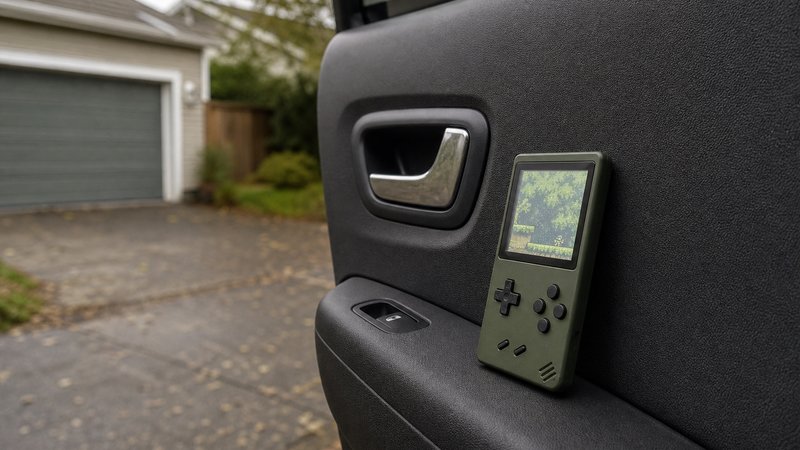
Current lineup snapshot: the models that matter in 2025 and 2026
Anbernic's current slate runs from the $60-class RG34XX to the RG557 flagship at around $300. Retroid's 2025 releases center on the Flip 2 clamshell and the vertical Pocket Classic. Miyoo still leans on the Mini Plus, now joined by the Mini V4 and the Flip V2.
Model churn makes any snapshot short-lived, so treat this one as a mid-2026 photograph rather than a permanent map. Anbernic publicly planned at least seven or eight new devices for 2025, and the final count ran close to ten. Retroid and Miyoo move slower, which keeps their tables shorter and their picks steadier.
Anbernic: the current shortlist
| Model | Form factor | Screen | Typical price | Why it matters |
|---|---|---|---|---|
| RG34XX / RG34XX SP | Horizontal / clamshell | 3.4-inch 3:2 | ~$60–$75 | GBA-native screen shape |
| RG40XX H | Horizontal | 4.0-inch 4:3 | ~$85 | Best-value Linux all-rounder |
| RG Slide | Sliding screen | 4.7-inch 4:3, 120Hz | ~$170 | Android power, retro shape |
| RG557 | Horizontal flagship | 5.48-inch 1080p AMOLED | ~$280–$330 | Dimensity 8300, 12GB RAM |
The RG34XX line earns its slot because its 3:2 panel matches Game Boy Advance output without borders or scaling tricks. The RG557 is the headline, pairing a Dimensity 8300 chip with 12GB of RAM, UFS 4.0 storage, and Android 14. Published reviews credit it with reaching PS2, Wii, and some Switch titles. The metal-shelled RG477M splits the difference between the Slide and the 557 for buyers wanting a 4:3 screen with real power.
Retroid: the current shortlist
| Model | Form factor | Screen | Typical price | Why it matters |
|---|---|---|---|---|
| Pocket 5 | Horizontal | 5.5-inch 1080p AMOLED | ~$200 | The Snapdragon 865 benchmark |
| Pocket Flip 2 | Clamshell | 5.5-inch AMOLED | from ~$220 | Same power, hinged shell |
| Pocket Classic | Vertical | 3.9-inch AMOLED | ~$120–$130 | Android in a Game Boy shape |
| Pocket Mini V2 | Compact horizontal | 3.9-inch AMOLED | ~$180 | Pocketable power, revised panel |
Launch pricing here is documented rather than rumored. The Snapdragon 865 Flip 2 opened at $219, with a cheaper Dimensity 1100 version at $189. The Pocket Classic launched at $119 for 4GB of RAM and $129 for 6GB. Newer names like the Pocket 6 have started appearing above the Pocket 5, so the ceiling keeps rising. The pattern still holds: few models, long shelf lives, and clearly divided roles.
Miyoo: the current shortlist
| Model | Form factor | Screen | Typical price | Why it matters |
|---|---|---|---|---|
| Mini Plus | Vertical | 3.5-inch 4:3 IPS | ~$50–$60 | The budget benchmark since 2023 |
| Mini V4 | Vertical | 3.5-inch 4:3 | ~$50 | Slimmer refresh of the formula |
| Flip V2 | Clamshell | 3.5-inch 4:3 | ~$45–$60 | Analog sticks, deal-bin pricing |
Miyoo's whole current catalog costs less than a single Retroid Pocket 5. Late-2025 holiday promotions pushed Mini Plus street prices near $30 through marketplace coupon stacking. That volatility is normal for the brand, and patient buyers save real money by watching sales. The ceiling has not moved, though. Every current Miyoo still tops out at PS1, which keeps the brand honest and the choice simple.
Firmware: where the brands really separate
Anbernic's Linux devices depend on MuOS and Knulli, Miyoo depends on OnionOS, and Retroid ships usable stock Android. The community projects beat every stock interface they replace, and firmware support should steer any purchase.
| Brand | Stock software | Community fix | State of the ecosystem |
|---|---|---|---|
| Anbernic (Linux) | Dated menus, quirky defaults | MuOS, Knulli | Very active, fast updates |
| Retroid | Android 13 with launcher | Frontends like ES-DE, Daijisho | Mature, app-driven |
| Miyoo | Clunky stock interface | OnionOS | Most polished in budget class |
The pattern is consistent across brands. Hardware margins are thin, so software polish gets left to volunteers, and the volunteers deliver. OnionOS turned the Mini Plus from a decent device into a beloved one. MuOS and Knulli did the same for the H700 Anbernics. Retroid is the exception because Android arrives usable, though it still rewards an hour of frontend setup. Before buying any model from any brand, confirm an active firmware project supports that exact device. A dead firmware scene is the strongest skip signal in this hobby. Hardware without software support ages in months rather than years.
Why not just use the software in the box?
Because the stock experience is where these brands cut costs. Stock menus bury settings, mistranslate labels, and ship emulator defaults that hurt performance. The preloaded microSD cards are worse, packed with duplicate and broken game files on slow no-name storage. Community firmware fixes the menus, the defaults, and the save-state behavior in one install. The standard owner playbook is the same everywhere: format the included card, flash community firmware, and load your own library.
Emulation ceilings: what each brand can run
Miyoo tops out at PS1. Anbernic's Linux tier reaches playable N64, Dreamcast, and PSP, and its Android tier reaches GameCube. Retroid's Snapdragon 865 devices run most PS2 and GameCube titles well.
| System | Miyoo | Anbernic Linux | Anbernic Android | Retroid (SD 865) |
|---|---|---|---|---|
| Game Boy / GBC / GBA | Perfect | Perfect | Perfect | Perfect |
| NES / SNES / Genesis | Perfect | Perfect | Perfect | Perfect |
| PS1 | Perfect | Perfect | Perfect | Perfect |
| N64 / PSP | No / limited | Playable | Good | Excellent |
| Dreamcast | No | Playable to good | Good | Excellent |
| GameCube | No | No | Playable, title-dependent | Good |
| PS2 | No | No | Limited | Good for most titles |
Can an Anbernic Android handheld match the Retroid Pocket 5?
Not quite, and the chips explain why. Anbernic's Android models mostly use the Unisoc T820, a capable mid-range chip. The Pocket 5 uses the Snapdragon 865, a former phone flagship with a much stronger GPU. In PS2 and GameCube, that gap separates a library that mostly works from one that mostly does not. Anbernic's 2025 flagship RG557 changes that math with its Dimensity 8300, at around $300. For PS1 and older, the cheaper tiers are indistinguishable, so pay for flagship silicon only if your library demands it.
How much power do the classics actually need?
Very little, which is the most money-saving fact in this hobby. A $60 Miyoo runs SNES, Genesis, and Game Boy libraries as well as a $200 Retroid does. Emulators for those systems matured two decades ago and run on nearly anything. Extra spending only buys results from N64 onward. Match the purchase to the newest console you genuinely intend to play, not the newest one that sounds impressive.
Which brand for which console generation
Game Boy through GBA points to Miyoo or Anbernic's small devices. PS1 belongs to all three brands equally. N64, Dreamcast, and PSP need Anbernic's Linux horizontals at minimum. PS2 and GameCube demand Retroid's Snapdragon models or Anbernic's flagship tier.
| Target generation | Best-fit brand | Sensible devices | Approximate spend |
|---|---|---|---|
| Game Boy / GBC / GBA | Miyoo, budget Anbernic | Mini Plus, RG34XX | ~$50–$75 |
| NES / SNES / Genesis / PS1 | Any of the three | Mini Plus, RG35XX H | ~$50–$75 |
| N64 / Dreamcast / PSP | Anbernic | RG40XX H, RG406 class | ~$85–$180 |
| PS2 / GameCube | Retroid, flagship Anbernic | Pocket 5, Flip 2, RG557 | ~$200–$300 |
The handheld eras favor small screens over strong chips. The Game Boy Advance rendered at 240 by 160 pixels, a native 3:2 shape. Anbernic built the RG34XX around exactly that ratio, and community rankings treat it as the GBA specialist. Miyoo's 4:3 verticals handle the same library with thin borders, and nobody complains. Spending past $75 for a GBA-focused device buys nothing the games can use.
The dividing line sits at N64. Nintendo's 1996 console is famously difficult to emulate, and it needs analog sticks the Mini Plus lacks. Anbernic's Linux horizontals cover N64, Dreamcast, and PSP at the lowest workable price. Dreamcast often runs better than N64 on the same hardware, a quirk owners learn quickly. Buyers targeting these systems should skip Miyoo entirely rather than hope.
PS2 and GameCube sit behind a hardware wall no budget chip climbs. The Snapdragon 865 tier is the entry ticket, which means Retroid at around $200. Anbernic's answer is the RG557, which brings more power at around $300. Between those two poles, the choice reduces to price against catalog trust. Everything below that tier turns PS2 ambition into stutter and disappointment.
Build quality, batteries, and support
All three brands build to a price, and none matches old Nintendo durability. Community reports rate Retroid highest for materials, Miyoo strongest for reliability per dollar, and Anbernic the most variable from model to model.
The details separate them. Anbernic d-pads earn constant praise, but individual models carry known flaws, like the stiff shoulder buttons on the RG35XX SP. Miyoo's small verticals have a reputation for shrugging off years of pocket carry. Retroid spends its budget on screens and chips, and the AMOLED panels on the Pocket 5 and Pocket Mini show it. Batteries across all three brands are modest phone-grade cells. Expect roughly four to eight hours of play depending on the system being emulated.
Support works differently than mainstream electronics buyers expect. All three companies sell direct from China, so warranty claims mean slow email threads and slower return shipping. The practical safety net is the community instead. Subreddits, Discord servers, and wikis document fixes for nearly every known fault on every popular model. Factor that in before buying any of these for someone who expects retail-store service.
Warranty, shipping, and buying experience
All three brands sell direct from China, and the buying experience shows it. Anbernic softens the wait with regional warehouses in the United States, Europe, and Japan. Retroid ships from China with preorder queues, and Miyoo mostly sells through marketplace storefronts. Warranty service runs slow everywhere, per consistent community reports.
Direct stores remain the default recommendation for all three brands. Anbernic's official store lists warehouse options at checkout, and locally stocked models can arrive within a week. China-shipped orders from any brand commonly take two to four weeks, and customs adds variance nobody controls. Retroid stacks preorder production time on top, a repeated complaint during the Flip 2 launch window. Miyoo's marketplace storefronts behave like any AliExpress purchase, with platform buyer protection standing in for retail service.
Specialist import retailers offer a middle path. They stock popular models in domestic warehouses, ship in days, and handle returns under local consumer law. The markup usually runs $10 to $30 over direct pricing, which buys real convenience. Community buying guides treat that markup as cheap insurance for first-time importers.
Warranty claims are the hobby's weak point. Community threads describe the same arc for every brand: slow email exchanges, requested proof videos, and return shipping at the buyer's expense. Retroid support earns middling marks, with responses measured in days rather than hours. Anbernic's reputation is hit or miss, and outcomes seem to depend on the agent. Miyoo barely runs formal support at all, so the community fills the gap. Weigh that risk into bargain math, since a $40 device rarely justifies $25 in return postage.
Price and value: what your budget buys
Under $80, Miyoo and budget Anbernic split the market and cover everything through PS1. From $80 to $150, Anbernic's better Linux and entry Android devices rule. Near $200, Retroid stands mostly alone.
Value at the bottom is outstanding. Around $60 buys a Mini Plus or an RG35XX-class device, and both are complete experiences rather than compromises. The middle tier buys bigger screens, analog sticks, HDMI output, and stronger chips. The top of this range, around $200, buys the Snapdragon-class power that finally makes sixth-generation consoles practical. Spending beyond $250 reaches Anbernic's RG557 and premium brands like AYN, which is a different conversation.
Two cautions apply at every tier. First, all three brands sell through marketplaces where clones and quiet revisions circulate, so buy from official stores or established sellers. Second, a newer model is always weeks away, especially from Anbernic. Waiting for the market to settle is a plan that never resolves, because the market does not settle.
Budget one hidden cost with every brand: storage. The included microSD cards are slow, no-name units with a documented failure record. A name-brand A1-rated card adds $12 to $20 and prevents the most commonly reported failure. That advice applies equally to a $45 Anbernic and a $230 Retroid.
Common brand-switching regrets
Owner threads repeat four regrets: paying for power that never gets used, trading pocketability for specs, collecting near-duplicate devices, and underestimating setup time. Each regret maps to a brand mismatch rather than a bad product, and each is avoidable.
Aspirational buying leads the list. The common story: a buyer pays around $200 for PS2 capability, then logs most playtime in SNES and GBA libraries. A $60 Miyoo covered that use case with $140 to spare. The reverse regret appears too, since Mini Plus owners hit the PS1 ceiling and rebuy within a year. Honest library forecasting prevents both mistakes.
Size regret follows upgrades. The RG557 weighs 347 grams by its published spec sheet, more than double a pocket vertical. Devices that stop fitting in a jacket stop leaving the house, and unused hardware breeds quiet resentment. Miyoo-to-Retroid switchers mention this constantly in community threads. Sleep behavior draws similar complaints, since Linux devices wake instantly and Android devices sometimes stall.
Anbernic loyalists describe drawer syndrome instead. The near-monthly release pace invites serial purchases separated by tiny spec bumps. Owners end up with four devices that all play the same PS1 library. Community advice has hardened into a rule: skip any upgrade that fails to add a console generation. That single filter turns Anbernic's catalog from a trap back into a strength.
Retroid switchers underestimate setup most. An Android handheld asks for emulator installs, BIOS placement, controller mapping, and frontend configuration before the first game boots. Anyone who loved OnionOS simplicity should expect a weekend project, not a five-minute swap. The regret fades once setup ends, but the first-week friction is real. Matching tinkering appetite to the brand prevents the whole cycle.
Which brand fits you: a five-question checklist
Five questions settle the choice: your newest target console, your carry style, your tinkering tolerance, your budget, and your patience for setup. Answer them in order and one brand usually falls out.
- What is the newest console you truly want? PS1 or older points to Miyoo. N64 through Dreamcast points to Anbernic's Linux tier. GameCube and PS2 point to Retroid.
- Pocket or bag? The Mini Plus and small verticals disappear into a pocket. Retroid's 5.5-inch Pocket 5 is a bag device, full stop.
- How much tinkering sounds fun? Flashing OnionOS takes minutes. MuOS setup takes an evening. A full Android frontend build takes a weekend afternoon.
- What is the honest budget? Around $60 covers Miyoo, around $85 covers the best budget Anbernics, and around $200 covers Retroid's strongest hardware.
- Do you chase new releases? Anbernic rewards upgraders with constant novelty. Retroid and Miyoo suit buyers who want one device to sit with for years.
Whichever way the checklist points, the follow-up coverage lives in the Man Talk retro handhelds section, which tracks new releases from all three brands. The about page explains how recommendations get made here, including the no-paid-placement rule. These three companies push each other hard, and buyers win the resulting race. There has never been a better time to pick a side, or to pick all three.
Frequently asked questions
Is Anbernic or Retroid better for PS2 and GameCube?
Retroid, clearly. The Retroid Pocket 5 and Flip 2 use the Snapdragon 865, which handles most PS2 and GameCube libraries well. Anbernic's Android models use the weaker Unisoc T820, which struggles with demanding titles. Anbernic's Linux devices do not attempt those systems at all.
Do Miyoo handhelds run Android?
No. Every current Miyoo device runs Linux-based software, and the community replaces it with OnionOS on the Mini line. That keeps the devices cheap, simple, and quick to wake from sleep. Buyers who want Android apps, streaming, or touchscreen menus should look at Retroid instead.
Which brand is best for a first retro handheld?
Miyoo, for most people. The Miyoo Mini Plus costs around $60, runs everything through PS1, and OnionOS makes setup painless. Anbernic's RG35XX SP is the pick for anyone wanting a protective clamshell. Retroid only makes sense for a first buyer committed to PS2-era libraries.
How often do these brands release new hardware?
Anbernic releases fastest, with new models landing close to monthly in recent years. Retroid ships a handful of devices per year and supports them longer. Miyoo updates slowest of the three. Waiting for the next model rarely pays off, because something newer is always weeks away.