Man Talk may earn a commission when you buy through links on this page. That never changes what gets recommended, and it never changes the price you pay.
Best Ceramic Spray Coatings for Beginners
The best ceramic spray coating for beginners is Turtle Wax Hybrid Solutions Ceramic Spray Coating, at around $15 for 16 ounces. Meguiar's Hybrid Ceramic Wax (around $20) is even harder to get wrong, because it rinses on during a normal wash. Griot's Garage Ceramic 3-in-1 Wax (around $22) covers the most surfaces from one bottle. Every product in this guide sprays on and wipes off in an afternoon. None of them are true ceramic coatings, and that distinction matters more than any brand name. A spray buys months of gloss and water beading, not the years a professional coating provides. Manufacturer labels promise six to eighteen months. Owner reports put real-world life closer to two to four months. This guide compares five sprays on price, chemistry, application, and honest durability. The comparisons rest on published specifications and the documented consensus of the detailing community, not marketing copy. It also covers the prep work that decides how any of these products perform. By the end you will know which bottle fits your budget, your patience, and your parking situation.
The picks at a glance
Five ceramic spray coatings stand out for beginners in 2026. They are Turtle Wax Hybrid Solutions, Meguiar's Hybrid Ceramic Wax, Griot's Garage Ceramic 3-in-1 Wax, Chemical Guys HydroSlick, and the Adam's Advanced Graphene kit. Each earns its place for a specific buyer rather than an overall crown.
| Product | Typical price | Size | Application | Best for |
|---|---|---|---|---|
| Turtle Wax Hybrid Solutions | ~$15 | 16 oz | Spray on, buff off | First bottle on a budget |
| Meguiar's Hybrid Ceramic Wax | ~$20 | 26 oz | Spray on, rinse off | Easiest possible application |
| Griot's Garage Ceramic 3-in-1 | ~$22 | 22 oz | Spray on, wipe off | One bottle for every surface |
| Chemical Guys HydroSlick | ~$35 | 16 oz | Gel, spread and buff | Deepest gloss |
| Adam's Advanced Graphene kit | ~$58 | 12 oz kit | Coating kit with applicators | Longest protection under $60 |
Prices on detailing products move constantly, and sales of 20 to 30 percent are common. Treat the numbers above as typical street prices, not guarantees.
How these picks were chosen
Every pick had to pass four tests. The tests: real SiO2 or graphene chemistry, an application process a first-timer can manage, wide availability, and a strong track record in owner reviews. Man Talk built this list from published specifications and documented community consensus, not paid placements.
Review volume matters in this category, because marketing claims are loud and lab data is scarce. Turtle Wax Hybrid Solutions alone carries more than 28,000 ratings on major retail listings. Patterns across that many owners are more trustworthy than any single review. Where the community disagrees with the label, this guide sides with the community. Durability is the main example, and it gets its own section below. Man Talk staff come from a background of classic cars and car audio, where paint care is part of the hobby. No first-person testing claims are made here. When a claim needs a source, it comes from product documentation and documented owner reports.
Spray, true coating, or wax: know what you are buying
A ceramic spray is not a true ceramic coating. Sprays are polymer sealants boosted with SiO2, and they last months. True coatings are concentrated resins that chemically bond to clear coat and last years. Wax is the softest and shortest-lived option of the three.
| Protection type | Typical cost | Packaging | Realistic lifespan | Skill needed |
|---|---|---|---|---|
| Carnauba wax | $10 to $25 | Tub or bottle | 4 to 8 weeks | Low |
| Ceramic spray | $15 to $60 | 12 to 26 oz plastic bottle | 2 to 6 months | Low |
| True ceramic coating | $500 to $2,000 installed | 30 to 100 mL glass bottle | 2 to 5 years | High |
The packaging difference is the quickest tell. True coatings ship in small glass bottles holding 30 to 100 milliliters of concentrated resin. Sprays ship in plastic bottles holding ten times that volume, diluted in a water-based carrier. True coatings also produce steeper water contact angles, in the 110 to 120 degree range. That is why water snaps off a professionally coated car so dramatically. For a beginner, the spray trade-off is a good one. A botched spray application wipes away with soap and a towel. A botched true coating has to be machine polished off the paint.
Is a ceramic spray just a sealant with better marketing?
Mostly, yes. The word ceramic is not regulated on a detailing label, and SiO2 percentage claims deserve heavy skepticism. A bottle boasting 50 percent SiO2 is usually describing the concentration inside one raw ingredient, not the finished formula. Independent chemists in the detailing community have made this point repeatedly. That does not make sprays useless. It makes them modern sealants with genuinely useful hydrophobic additives. Judge them on beading, gloss, and longevity, not on a percentage printed on the front of the bottle.
Turtle Wax Hybrid Solutions: the default first bottle (~$15)
Turtle Wax Hybrid Solutions Ceramic Spray Coating is the default first purchase, at around $15 for 16 ounces. It sprays on, buffs off, and carries a stated minimum of six months of protection on the label.
The value case is hard to beat. This is one of the most-reviewed detailing products sold, with over 28,000 ratings on major listings. The label also approves application in direct sunlight, which matters for anyone working on a driveway instead of in a garage. It runs fine on glass, headlights, trim, and wheels as well as paint.
The honest caveats: expect two to three months of strong beading, not the six the label suggests. Over-application causes streaks on dark paint, so two light sprays per panel is plenty. The strong chemical scent is a recurring note in owner reviews. None of that changes the verdict. For $15, this is the cheapest respectable entry into ceramic-style protection.
Meguiar's Hybrid Ceramic Wax: hardest to get wrong (~$20)
Meguiar's Hybrid Ceramic Wax is the pick for anyone nervous about technique. Spray it onto the wet car after the final rinse, rinse again, and dry. There is no buffing step, so there is almost nothing to do incorrectly.
The 26-ounce bottle is the largest in this guide, at around $20. The chemistry is an SiO2 hybrid that grabs onto the wet surface during the rinse. Water starts beading on the very first application, which makes the payoff visible immediately. The whole step adds roughly five minutes to a normal wash.
The trade-off is lifespan. This behaves more like a strong wax than a light coating, and four to eight weeks is the realistic window. Letting the product dry on the paint in hot sun can leave water spots, so work in shade. As a habit product applied every few washes, it keeps a car protected with close to zero effort.
Griot's Garage Ceramic 3-in-1 Wax: one bottle, every surface (~$22)
Griot's Garage Ceramic 3-in-1 Wax combines SiO2, synthetic polymers, and carnauba in a single 22-ounce bottle. It is approved for paint, trim, wheels, chrome, and plastic, which makes it the simplest whole-car answer.
The ratings back the balanced formula. It holds a 4.7 average across more than 3,300 ratings, the strongest score in this group. Application is a friendly spray-on, wipe-off routine with wide working time, and the formula is forgiving about leftover residue. One bottle handles the entire exterior, so there is no product-juggling on wash day.
The caveat is the jack-of-all-trades design. Beading is a step less sharp than dedicated SiO2 sprays, and the carnauba content trades some durability for a warmer-looking gloss. Two to three months of protection is the realistic expectation. For someone who wants exactly one bottle on the shelf, this is that bottle.
Chemical Guys HydroSlick: the gloss pick (~$35)
Chemical Guys HydroSlick is a thick SiO2 gel rather than a thin mist. It leaves the deepest, wettest-looking gloss in this group. It also demands the most careful application technique of the five.
Chemical Guys positions HydroSlick as a hyperwax, a middle step between sealant and coating. The gel format clings to vertical panels instead of running, so coverage is easy to see while working. The full product documentation is published at Chemical Guys. Expect to pay around $35 for 16 ounces, with frequent sales below that.
The known weakness, echoed across owner reviews, is a grabby wipe-off when too much product goes down. The fix is discipline: small sections, a few pea-sized dabs, and two fresh towels. Beginners who rush it will fight hazing on dark colors. Buyers chasing show-car gloss on a weekend car will think the extra effort is fair.
Adam's Advanced Graphene kit: the longest haul (~$58)
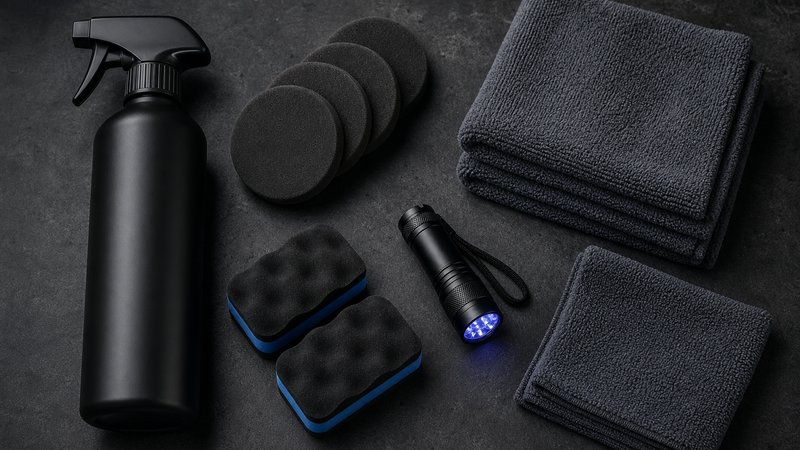
The Adam's Advanced Graphene Ceramic Spray Coating kit is the premium pick, at around $58. The 12-ounce kit ships with applicators and towels, and the label claims 18 or more months of protection.
Two things separate it from the cheaper bottles. The formula includes a UV tracer, so coverage glows under a UV light and missed spots are easy to catch. The kit format also removes the guesswork about which applicators and towels to buy. Both features exist because this product behaves more like a light coating than a spray sealant.
Treat the 18-month figure the way this guide treats every label claim. Outdoor daily drivers in owner threads commonly report under a year of strong performance, which still leads this group. The graphene branding itself is debated among detailing chemists, with reduced water spotting the main disputed benefit. Buy it for the durability lead and the beginner-friendly kit, not the buzzword.
How long these sprays really last
Plan on two to four months of strong water behavior from any spray in this guide. Labels claim six to eighteen months. Owner reports across detailing forums consistently come in shorter, especially on cars parked outside.
The gap has a simple explanation. Label figures come from ideal conditions: a garaged panel, gentle pH-neutral soap, and no automatic car washes. A real daily driver faces UV exposure, rain, road film, and whatever soap is on the shelf. Sprays also deposit a far thinner layer than a true coating, so there is simply less material to wear away. None of this makes sprays a bad purchase. It just means the honest math is a reapplication every season, not every year.
How do you know when it is time to reapply?
Watch for three signals. Water stops forming tight beads and starts sheeting flat across the panel. Drying the car takes noticeably longer than it used to. Dust and road film cling instead of rinsing free. When two of the three show up, reapply. A fresh coat takes under an hour on a clean car, so reapplying early costs almost nothing.
Prep decides the result
No spray can fix bad prep. The paint needs a full wash, chemical decontamination, and a clay bar pass before any coating. A ceramic spray locks in whatever sits underneath it, including swirl marks and bonded grit.
Start with a proper wash, ideally the two-bucket method, which keeps grit out of the wash mitt. Follow with an iron remover. The product turns purple on contact as it dissolves embedded brake dust particles that washing cannot touch. A clay bar with lubricant then pulls off the remaining bonded contamination. The paint should feel glass-smooth before any coating goes near it.
Swirl marks deserve a hard decision before spraying. A coating does not hide them, and it makes them slightly harder to polish out later. Either polish first or accept the swirls for a season. A beginner detailing kit covers most of this prep list in one purchase.
How to apply a ceramic spray coating
Application follows the same seven steps for every product here except Meguiar's, which rinses on during the wash. Budget two to three hours for a sedan. Most of that time is washing and prep, not spraying.
- Wash the car top to bottom. Two buckets, one mitt, and a thorough rinse keep grit off the paint.
- Decontaminate. Spray iron remover, let it react, rinse, then clay the paint with plenty of lubricant.
- Dry completely. Water hiding in mirrors and trim seams will drip out and streak fresh product.
- Wipe with an isopropyl-based panel prep. This strips leftover oils so the SiO2 bonds to bare clear coat.
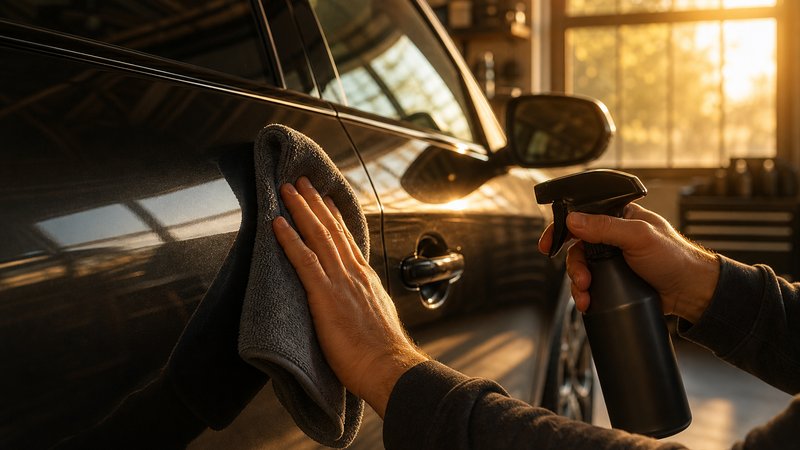
- Work one panel at a time. Two or three light sprays per panel is enough, and more just causes streaks.
- Spread with one microfiber towel, buff with a second. Keep buffing until every trace of haze is gone.
- Keep the car dry for 24 hours. Most makers advise keeping the paint away from water while the layer cures.
Do beginners really need a panel wipe?
Strictly, no. Helpfully, yes. A $10 panel prep spray removes polish oils and old wax that block bonding. Skipping it usually costs some weeks of durability rather than causing outright failure. Anyone polishing swirls before coating should treat it as required, since fresh polishing oils are exactly what it exists to remove.
Which one should you actually buy?
Buy Turtle Wax Hybrid Solutions if this is a first bottle. Buy Meguiar's for the easiest routine, Griot's for whole-car simplicity, HydroSlick for maximum gloss, and the Adam's kit for the longest protection.
A simpler way to decide: match the product to your parking situation and patience. A car that lives outside sheds any spray faster, so the cheap bottle reapplied often beats the expensive one applied once. A garaged weekend car rewards the Adam's kit or HydroSlick, because the extra durability and gloss actually get preserved. Anyone who dreads detailing should just keep Meguiar's next to the car soap. Spending more buys months, never years. The jump to true multi-year protection is a professional coating, which is a different budget conversation entirely.
Detailing brands change formulas quietly and often, so recommendations here get revisited as products shift. The Man Talk car detailing section tracks new guides as they publish, and the about page explains how recommendations get made here.
Frequently asked questions
How long does a ceramic spray coating actually last?
Expect two to four months of strong water beading with normal washing. Labels promise six to eighteen months, but those figures come from ideal conditions. Sun exposure, harsh soaps, and automatic car washes all shorten the life. Reapplying every season is the realistic maintenance schedule for any spray product.
Do you need to remove old wax before using a ceramic spray?
Yes, for best results. SiO2 bonds to clear coat, not to a layer of wax sitting on top. A wash with a stronger soap, plus a clay bar pass, strips old wax and bonded grime. Applied over fresh wax, a spray still adds gloss but wears off faster.
Will a ceramic spray hide swirl marks and scratches?
No. A spray adds gloss and slickness, but swirls sit in the clear coat underneath and stay fully visible. Some fillers may mask light marring for a week or two. Polishing the paint first, or accepting the swirls, are the honest options before locking in a coating.
Is a ceramic spray worth it compared to a professional coating?
For most beginners, yes. A $15 to $60 bottle delivers most of the gloss and beading of a professional job for a fraction of the price. A true coating wins on durability, lasting two to five years. The spray simply asks for a quick reapplication a few times per year.