Talking to Your Partner About Comfort Preferences
One of the most meaningful signs of a secure and emotionally mature relationship is the ability to talk openly about comfort. Comfort is not a small topic. It includes texture, temperature, scent, lighting, emotional pacing, and even the subtle energy in the room. All of these elements shape how your body responds to connection. When partners can talk about what feels good, safe, and relaxing, they build a relationship grounded in trust rather than guesswork. These conversations help both people feel valued, understood, and emotionally supported.
This kind of awareness aligns closely with the sensory practices described in Creating a Calming Bedroom Atmosphere and Using Color, Texture and Scent to Support Intimacy. When you’re able to name what helps your body settle, it becomes easier for your partner to create an environment that supports ease for both of you.
Comfort is personal. What relaxes one person might feel overstimulating to someone else. Some people unwind with warmth, soft textures, and slow emotional pacing. Others feel more at ease with cooler sensations, structured environments, or playful light energy. When partners share these preferences, they create a shared emotional map that makes connection smoother and far more fulfilling. These same principles are explored in Creating a Relaxing Sensory Environment at Home, where small environmental shifts can make closeness feel more natural.
For many people, talking about comfort feels awkward at first. Not because the topic is inappropriate, but because comfort is vulnerable. Sharing your comfort preferences is a way of saying this helps my body feel safe or this helps my mind unwind. It requires honesty about your needs and empathy toward your partner’s needs in return. These conversations invite both people to open up in a deeper way, especially if they are used to handling discomfort silently or privately.
Comfort conversations ask you to express what helps you feel grounded, calm, and emotionally available. They encourage you to share subtle details about how you relax, settle mentally, or ease into connection. When approached gently, these discussions become incredibly intimate moments that strengthen your bond. They create the same sense of emotional grounding explored in How Touch Helps Calm the Nervous System, where awareness and attunement create safety.
This guide is designed to help you navigate these conversations with ease. It will show you how to share your preferences in a supportive and confident way, and how to invite your partner to share theirs without pressure. When both people feel emotionally safe, understanding each other’s comfort needs becomes natural and even enjoyable. These discussions strengthen the foundation of your relationship and open space for deeper closeness.
Why Comfort Conversations Matter
Comfort is one of the quiet foundations of emotional intimacy. When both partners feel physically and emotionally at ease, connection flows more naturally. You communicate more openly. You understand each other’s cues more clearly. Shared moments feel warmer and less tense. Comfort creates the conditions where intimacy grows rather than feeling forced.
Many people focus on what to do in a relationship, but comfort shapes how you experience those moments together. When your body feels safe, your mind relaxes. When your mind relaxes, your emotions open. This is why comfort is not a luxury. It is a relationship skill. Couples who understand each other’s comfort preferences tend to feel more secure, more supported, and more connected in their daily interactions. You can see this reflected in practices described in Rituals That Signal We Time for Couples, where shared habits make connection predictable and calming.
Comfort conversations are powerful because they replace assumptions with understanding. Instead of hoping your partner magically knows what you like or wondering what they might need, you speak openly about what helps each of you unwind, settle, and feel emotionally present. These discussions create clarity, and clarity reduces stress. The more you understand each other’s comfort cues, the easier it becomes to support one another during both calm and challenging moments.
Comfort Conversations Support:
-
clearer communication that feels open rather than guarded
-
less guessing or misunderstanding in emotionally important moments
-
a stronger sense of emotional safety that builds trust over time
-
more enjoyable shared experiences because both partners feel at ease
-
a feeling of being heard, valued, and taken seriously
-
better attunement to each other’s needs and emotional cues
When you talk about comfort, you are not just discussing physical sensations. You are talking about care. You are talking about how to make each other feel supported, respected, and understood. You are talking about the emotional environment you want to create together.
Comfort conversations show your partner that their well-being matters to you. They show that you want connection to feel good for both of you, not just in the big moments but in the quiet ones too. That level of consideration strengthens the relationship more than most people realize.
Step 1: Normalize the Topic Before Bringing It Up
Many people hesitate to discuss comfort preferences because they worry it will come across as demanding, critical, or overly sensitive. They do not want their partner to feel judged. They do not want to create pressure. They do not want to make things awkward. This hesitation is incredibly common, and it often prevents couples from having conversations that would actually bring them closer.
Normalizing the topic removes that pressure entirely. When you talk about comfort as something natural, shared, and part of healthy connection, the conversation becomes easier for both of you. It shifts from “I need you to do something differently” to “We both deserve comfort, and I care about how we feel together.” This creates a supportive tone that encourages honesty rather than defensiveness.
Normalizing comfort is not about giving long explanations. It is about gently inviting your partner into a conversation that benefits both of you. When you frame the topic in a positive, relaxed way, your partner is much more likely to feel safe expressing their needs.
Try Opening with a Gentle Frame:
-
I have been thinking about how we can make things even more comfortable for both of us
-
I want us both to feel as relaxed and good as possible. Can we talk about that
-
I would love to learn your preferences so I can support you better
-
I want to make sure we both feel completely at ease together
-
I think it could be nice to explore what helps us unwind and feel grounded
These openings are soft, collaborative, and warm. They do not imply that anything is wrong. They simply invite both partners to participate in improving the emotional comfort of the relationship.
When you normalize the topic, you shift the focus away from fixing something and toward shared improvement. You create an environment where expressing comfort needs feels thoughtful instead of awkward. This makes it easier for both partners to speak honestly without fear of judgment.
Comfort conversations begin to feel natural, and that sense of ease strengthens emotional closeness in a lasting way.
Step 2: Start with Emotional or Sensory Language, Not Technical Terms
You do not need expert terminology or precise definitions to talk about comfort. In fact, technical language can make the conversation feel stiff or overly analytical. Most people understand comfort best through emotional and sensory descriptions. These descriptions feel natural, approachable, and easy to respond to. They invite your partner into the conversation without making them feel like they need specialized knowledge.
Comfort is something we feel in the body. It is warmth, softness, texture, temperature, pace, and the emotional tone behind a moment. When you use sensory or emotional language, you speak in a way your partner can understand instantly. This reduces pressure, encourages openness, and keeps the conversation gentle.
The goal is not to label everything perfectly. The goal is to help each other understand what brings ease, what supports relaxation, and what helps you feel more emotionally open.
Try Describing Comfort Like This:
-
light textures or rich textures
-
warmth or coolness
-
slow movements or steady movements
-
soft touch or firm touch
-
natural feel or silky feel
-
quiet energy or playful energy
-
smooth sensations or more grounding sensations
These kinds of descriptions allow both partners to communicate clearly without overthinking. They also make it easier to adjust in real time. When someone says, “I think I need something softer,” or “Warmth helps me relax,” you immediately know how to respond.
Using emotional and sensory language makes the conversation human, relatable, and pressure free. It invites curiosity rather than performance. It encourages honesty rather than perfection. And it helps both partners learn each other’s internal world in a way that feels safe and supportive.
When you speak this way, comfort conversations become simple and natural. You create a shared vocabulary that builds understanding without complexity.
Step 3: Invite Your Partner’s Experience First
Inviting your partner to share their experience first is one of the simplest ways to create emotional safety. When you start by asking about their comfort, you show them that their needs matter just as much as yours. You communicate curiosity instead of assumption, and that curiosity softens the entire conversation.
Many people feel hesitant to speak about their comfort because they worry their preferences might sound unusual or inconvenient. When you gently ask first, you remove that fear. You let them know you want to understand what helps them relax. This builds trust and encourages openness.
Asking your partner first also creates balance. It prevents the conversation from becoming one sided. Instead of starting with what you want, you are creating space for what both of you need. This approach sets the tone for a supportive and collaborative discussion.
Ask Gentle Questions Like:
-
What textures feel most relaxing to you
-
Do you like light touch or deeper pressure when you are trying to unwind
-
What kind of environment helps you relax the easiest
-
Are there any scents that help you calm down
-
What sensations make you feel emotionally supported
-
What helps your body feel grounded at the end of the day
-
Is there anything that instantly puts you at ease
Gentle questions like these show genuine care. They invite your partner to explore what comfort means to them without feeling rushed or judged. You are not asking them to perform or justify. You are asking because you truly want to understand.
When your partner feels valued, they naturally become more open to hearing your preferences too. The conversation becomes a shared exchange rather than a request list. This creates emotional closeness and makes both partners feel supported.
Inviting their experience first is a small gesture with a big impact. It lays the foundation for honest, ongoing conversations that strengthen connection over time.
Step 4: Share Your Preferences with Kindness and Clarity
Once your partner has shared their experience, it becomes much easier to express your own needs in a way that feels natural and supportive. The most effective way to communicate comfort preferences is to keep your tone gentle, honest, and free of pressure. You are not making demands. You are simply letting your partner understand what helps your body and mind relax.
Sharing preferences works best when you speak from a place of calm curiosity rather than correction. You are offering information, not criticism. When you frame your needs with kindness, your partner can receive your words without feeling defensive or evaluated. This creates a conversation where both people feel seen, heard, and respected.
Honesty is important, but softness is what makes that honesty safe. You do not need complicated explanations. Clear, simple statements communicate your needs without overwhelming the moment.
You Might Say:
-
I relax a lot more when things are slow and warm
-
Soft textures help me feel more open and calm
-
I feel more comfortable when we use a soothing scent
-
I settle easier when the environment feels gentle and quiet
-
Warmth helps my body release tension
-
I feel more grounded when things move at a steady pace
-
Certain textures help me unwind faster
These kinds of statements do not place blame or imply anything is wrong. They simply express what feels good and supportive for you. They help your partner understand how to meet your needs in a way that feels aligned with your emotional world.
Simple, honest statements build trust. They show your partner that you believe in transparency and teamwork. They also give your partner confidence, because they are not left guessing how to make you feel at ease.
When comfort is shared with warmth and clarity, connection becomes deeper and more intuitive.
Step 5: Explore Options Together
Once both of you have shared what helps you relax, the next step is to explore comfort tools together. This is where the process becomes collaborative and even enjoyable. Instead of guessing or assuming what your partner might like, you both get to try different sensations, materials, temperatures, and environments. It turns comfort into a shared experience rather than an individual puzzle.
Exploring together removes pressure because there is no expectation to get anything perfect. You are simply discovering what feels good for each of you in a relaxed, playful way. When you approach it with curiosity, you strengthen trust and create moments of closeness that feel easy and natural. This kind of exploration helps both partners feel supported and emotionally connected.
Trying new comfort tools can also reveal preferences neither of you realized existed. Many couples discover that they enjoy sensations or atmospheres they never would have considered without experimenting together. The process is less about choosing a specific item and more about understanding how different sensations shape your emotional environment.
Consider Exploring:
-
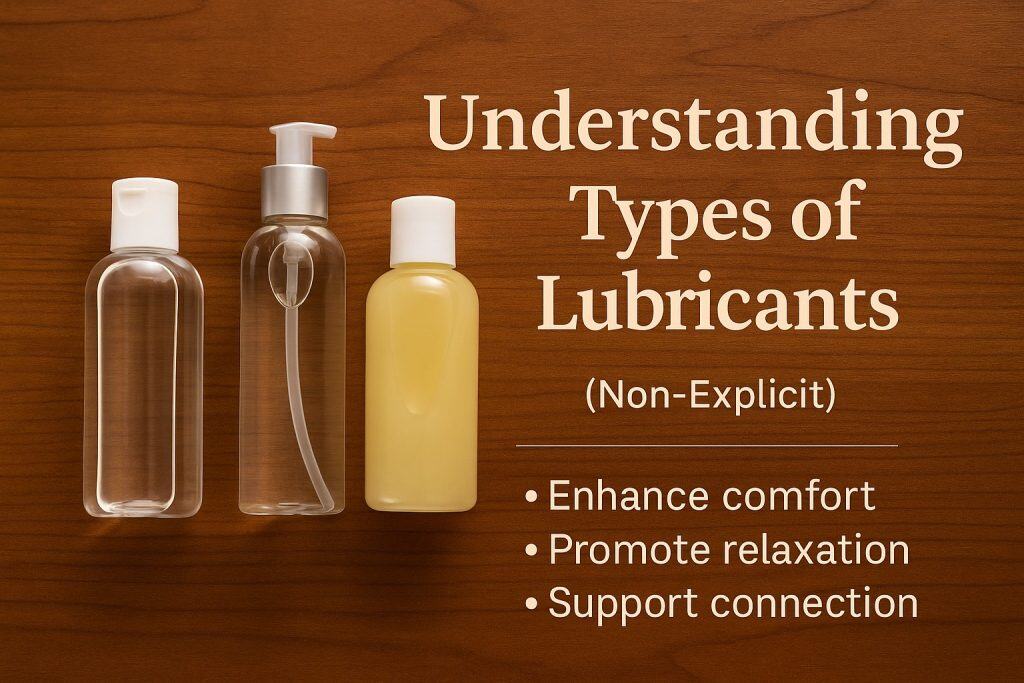
different lubricant textures such as light, silky, or rich
-
various massage oils to see which feel calming or soothing
-
warm compresses that ease tension and create a sense of comfort
-
aromatherapy scents that support relaxation or emotional grounding
-
soft blankets or fabrics that add warmth and safety
-
smooth stones or handheld relaxation tools for grounding
-
gentle ambient lighting options that change the tone of the room
These options give you a chance to learn together. You are not performing. You are not analyzing. You are simply exploring what creates ease for both of you.
The key is curiosity, not perfection. Curiosity keeps the moment light and pressure free. It encourages both people to stay open, honest, and engaged. When you explore comfort tools as a team, you build a deeper sense of partnership that strengthens your emotional bond.
Step 6: Create a Shared Comfort Ritual
Comfort becomes easier and more natural when it is woven into a simple routine. A shared comfort ritual gives both partners a gentle transition from the outside world into a calmer, more connected space. Rituals signal to the body and mind that it is safe to slow down, breathe, and soften. They help you align your emotional pace with your partner’s, making connection feel grounded rather than rushed.
A comfort ritual does not need to be elaborate. The most meaningful routines are often the simplest ones. What matters is consistency and intention. When both of you know the steps, the ritual becomes a familiar anchor. It helps your bodies relax at the same time, which makes emotional closeness feel more natural and less effortful.
Comfort rituals also reduce tension caused by stressful days. They create a buffer between daily responsibilities and the quiet moments you share. Over time, these small routines become something both partners look forward to. They create a sense of safety and predictability that supports emotional intimacy.
Try Rituals Like:
-
dimming the lights before connecting to create a soft, calming atmosphere
-
offering a brief shoulder or upper back massage to release the day’s tension
-
taking a few slow breaths together to synchronize your emotional pace
-
warming a blanket or compress to add comfort and grounding
-
turning on gentle ambient sounds that help the mind settle
-
choosing a scent that both of you find peaceful and relaxing
These rituals are not tasks or obligations. They are invitations into calmness. They help shift the nervous system out of a busy or stressed state and into one where connection feels easy.
Rituals help both partners feel emotionally and physically ready for closeness. They create a shared rhythm, making comfort a normal part of your relationship rather than something you only think about in stressful moments.
Step 7: Revisit the Conversation Regularly
Comfort needs are not fixed. They shift with stress, mood, energy levels, and life circumstances. What felt soothing a month ago might feel different today. What once helped you unwind may not have the same effect after a long week or during a time of emotional heaviness. Because comfort is fluid, revisiting the conversation helps your relationship stay flexible, supportive, and attuned.
Checking in does not need to be formal or planned. Small, gentle moments of curiosity are enough. When you revisit comfort conversations regularly, you show your partner that their well-being matters to you on an ongoing basis. You are not assuming their needs stay the same. You are choosing to stay connected to how they feel now.
These moments of communication keep the relationship growing. They prevent assumptions, reduce tension, and help both partners feel seen. Regular check-ins also make it easier to adjust when something changes, because the conversation is already part of your rhythm together.
Try Saying:
-
How is this feeling for you lately
-
Is anything new helping you relax more
-
Are there any textures or tools you want to try next
-
Has anything started feeling less comfortable
-
Is there something that would help you feel more grounded today
These questions are soft and inviting. They show care without pressure. They also give your partner the freedom to express new needs or preferences without feeling like they are surprising you.
When you create space for these ongoing conversations, your relationship becomes more emotionally resilient. You stay in tune with each other. You grow together rather than drifting into old patterns. These gentle check-ins keep connection strong, responsive, and evolving in a natural, healthy way.
Internal Links
Amazon Product Suggestions (Replace With Affiliate Links)
- Massage oils — Search
- Diffusers with calming scents — Search
- Soft fabric blindfolds — Search
- Warm compresses — Search
- Soft blankets — Search
Final Encouragement
Talking about comfort preferences is not about pointing out flaws. It is about building a shared foundation of emotional safety and physical ease. When partners feel completely safe expressing what relaxes them, they create an environment where both people can soften, breathe, and open up. These conversations are small on the surface, but they carry a powerful message. They say, “I want you to feel good here,” and “Your comfort matters to me.”
When couples talk openly about what helps them relax, they remove guesswork and replace it with connection. Moments together become smoother because both partners understand the emotional and sensory landscape the other moves through. Touch becomes more intuitive. Communication becomes clearer. The atmosphere between you becomes warmer and more grounded.
Comfort conversations strengthen trust because they allow both people to express their needs without fear. They also help you understand each other in ways that words alone cannot. You begin to recognize what helps your partner feel emotionally supported, what helps their body unwind, and what makes them feel safe enough to be fully present with you. That level of awareness deepens intimacy in a way few other conversations can.
Start gently. You do not need to cover everything at once. A simple question or small observation can open the door. Stay curious about how your partner experiences the world. Curiosity brings freshness to the relationship and keeps connection alive. When these conversations become a natural part of your rhythm together, comfort becomes something you build intentionally rather than leave to chance.
Comfort leads to trust. Trust leads to ease. And ease creates connection that feels steady, effortless, and emotionally nourishing for both of you.