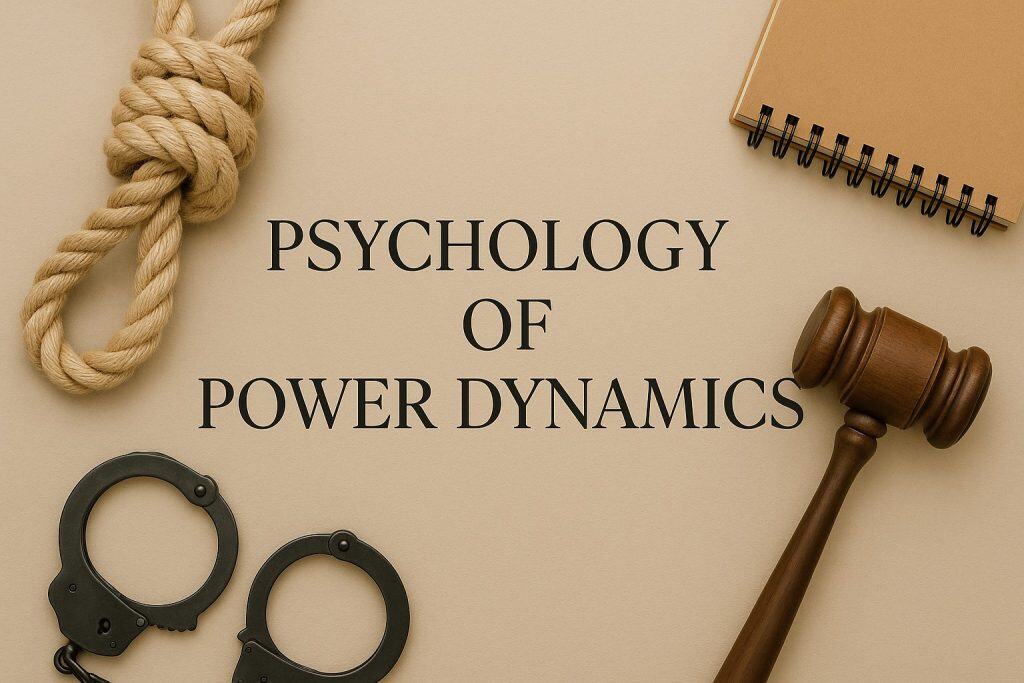
The Psychology of Power Dynamics (Non-Explicit)
Power dynamics are one of the most misunderstood aspects of kink. Many people assume they involve control or intensity, but in reality, healthy power dynamics are more about trust, communication, and emotional safety than anything physical.
This non-explicit guide explores the psychology behind dominance, submission, and playful control — and why many couples find these dynamics deeply connecting when approached with care.
What Power Dynamics Actually Mean
In kink, “power” doesn’t mean force, control, or superiority. Instead, power dynamics represent:
- a chosen structure
- a shared fantasy or energetic exchange
- a way to deepen communication
- a form of emotional surrender or leadership
- a safe, consensual framework for connection
Power is symbolic — not literal.
Why People Enjoy Power Dynamics
The psychological appeal of power exchange often comes from the way it meets emotional needs. These needs are universal, not “kinky.”
Common Emotional Motivations
- Trust — allowing a partner to lead or surrender safely
- Structure — having clear roles or expectations
- Relief — letting go of pressure or responsibility
- Validation — feeling wanted, chosen, or prioritized
- Closeness — bonding through vulnerability
None of this requires anything explicit — it’s psychological, relational, and emotional.
Dominance and Submission in a Healthy Context
Dominance and submission (often shortened to D/s) are the most common forms of power exchange. Here’s what they actually represent:
Healthy Dominance Looks Like:
- leadership, not control
- attentiveness to your partner’s emotional needs
- confidence without ego
- clear communication
- responsibility for your partner’s safety
Healthy Submission Looks Like:
- trust, not obedience
- a choice to relax and let go
- expressing needs openly
- knowing boundaries are respected
- feeling emotionally held
D/s is a partnership, not a hierarchy.
The Role of Consent in Power Dynamics
Consent is even more important in power exchange than in everyday intimacy because roles can amplify emotions and vulnerability.
- Consent must be explicit — clearly discussed and agreed upon
- Consent must be ongoing — check-ins matter
- Consent can be withdrawn instantly — no justification needed
- Consent must be enthusiastic — never based on pressure or guilt
The moment consent becomes unclear, the dynamic stops — no exceptions.
Why Power Dynamics Create Emotional Intimacy
When done safely, power exchange can deepen connection in ways many couples don’t expect.
Key Reasons It Increases Emotional Bonding
- Vulnerability — one partner leads while the other softens
- Presence — partners are fully tuned into each other
- Attunement — emotional needs are constantly monitored
- Communication — clear, kind dialogue is essential
- Trust — both partners feel held, not pressured
The emotional closeness created through careful power exchange is often more meaningful than any physical exploration.
Beginner-Friendly Power Dynamics (Non-Explicit)
New to kink? These gentle, emotional forms of power exchange help couples explore roles safely:
- Light role-play — choosing playful roles or energies
- Verbal leadership — calm guidance or supportive direction
- Structured check-ins — asking before each step
- Decision-based dynamics — one partner chooses small activities
- Emotion-based dynamics — one partner offers reassurance, the other softens
All of these can be completely non-sexual — and still incredibly bonding.
Understanding Emotional Triggers and Limits
Power dynamics can stir deep emotions. It’s important to talk about:
- past negative experiences
- phrases that feel uncomfortable
- topics that need to be avoided
- moments that feel too intense emotionally
- boundaries around role-play
A safe D/s dynamic requires emotional awareness, not performance.
Power Dynamics Should Always End With Connection
Aftercare — the process of reconnecting after exploration — helps regulate emotions, reinforce trust, and ensure both partners feel grounded.
Beginner Aftercare Ideas
- cuddling or gentle physical closeness
- affirmations like “You’re safe” or “I’m here”
- talking about what felt good emotionally
- drinking water together
- wrapping in a blanket or sitting close
Helpful ManTalk Internal Links
Amazon Product Types (Replace With Your Affiliate Links)
- Beginner bondage kits (soft materials only) — Search
- Blindfolds (comfortable fabric) — Search
- Feather-style sensory tools — Search
- Massage candles (non-intimate use) — Search
- Communication & cue tools — Search
Final Encouragement
Power dynamics are not about intensity — they’re about intentionality. When couples explore with clarity, empathy, and consent, the dynamic becomes a powerful tool for emotional connection, confidence, and trust.
Start slow. Stay present. Lead with care. Healthy power exchange grows from the inside out.