How to Give a Partner Focused Massage
A partner focused massage is one of the simplest and most meaningful ways to deepen emotional intimacy. It does not require training, expensive tools, or complex techniques. What matters most is patience, warmth, and a genuine focus on your partner’s comfort. When approached with intention, a massage becomes a moment of shared grounding and gentle connection. If you want to explore more ways to build sensory comfort as a couple, Shared Relaxation Tools for Couples offers supportive practices that pair well with this guide.
This non explicit, psychology based guide teaches you how to create a relaxing environment, use soothing techniques, and stay emotionally attuned so your partner feels supported, cared for, and deeply connected. For more ideas on how touch influences calmness and emotional presence, you may also appreciate How Touch Helps Calm the Nervous System.
What Makes a Massage Partner Focused
A partner focused massage is different from a traditional or professional one. The intention is not technical mastery. The purpose is emotional closeness and shared comfort. The experience becomes meaningful because you are paying attention to your partner, responding to their cues, and creating a moment that feels safe and supportive. For more on understanding how touch builds connection, Understanding Your Partner’s Touch Preferences is a helpful companion.
Key Elements Include
-
slow, intentional touch
-
emotional presence
-
active communication
-
respecting boundaries
-
making your partner feel cared for
The technique matters far less than the connection you create. When your focus is on comfort, attunement, and emotional warmth, the massage becomes a shared moment of grounding rather than a task. If you want additional tools that help build calm and closeness, Accessories That Support Calm, Comfort and Connection can enhance the experience.
Step 1: Set the Emotional Tone
Before you begin the massage, make space for a gentle check in. This moment helps create emotional safety and ensures you understand what your partner needs both mentally and physically. A simple conversation sets the foundation for trust and comfort, allowing the experience to unfold at a pace that feels right for both of you. For guidance on communication that supports comfort, Talking to Your Partner About Comfort Preferences offers helpful approaches.
Helpful Questions
-
“How are you feeling tonight”
-
“Is there an area you want more attention on”
-
“Is there anything you want me to avoid”
-
“Do you prefer lighter or firmer pressure”
These questions show care, build trust, and prevent miscommunication. They also create an emotionally open atmosphere that supports the soothing nature of touch. If you want to explore more ways to understand your partner’s needs, Understanding Your Partner’s Touch Preferences pairs well with this step.
Step 2: Create a Comfortable Environment
Your partner will relax more easily when the space feels safe, warm, and soothing. Even small adjustments can transform the experience and help the body settle into comfort. The environment acts as a gentle signal that this moment is meant for calm connection. For additional ideas on shaping a peaceful atmosphere, Creating a Calming Bedroom Atmosphere offers supportive guidance.
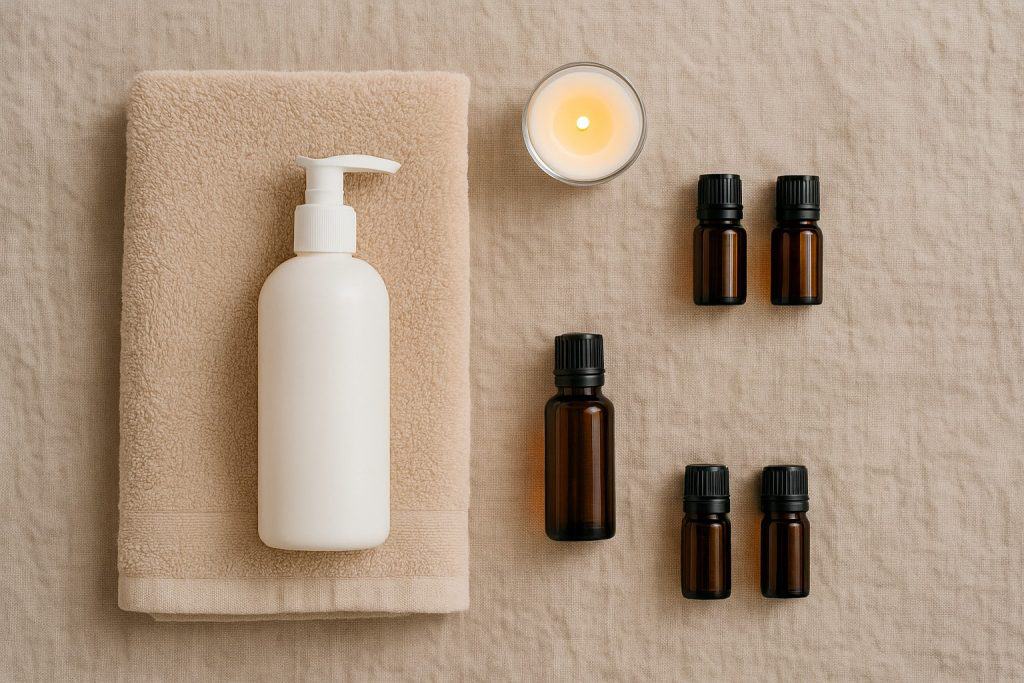
Environment Basics
-
warm lighting through lamps or LED candles
-
soft music or gentle nature sounds
-
a comfortable chair, couch, or bed
-
a warm blanket or towel for added ease
-
optional: massage oil or lotion for smoother movement
Place comfort at the center, both emotionally and physically. When the environment feels grounded and intentional, your partner can let go of tension more easily. If you want tools that complement this step, Accessories That Support Calm, Comfort and Connection provides gentle, sensory friendly options.
Step 3: Warm Your Hands and Start Slowly
Warm hands help the body relax. Cold hands can create tension, while warm hands signal comfort, safety, and care. Take a moment to rub your palms together or use a warm cloth before placing your hands on your partner. This small gesture helps their nervous system soften and prepares them to settle into the experience. For more ideas on how gentle touch supports emotional calm, How Touch Helps Calm the Nervous System offers supportive insight.
Begin With
-
slow, gentle gliding motions
-
light pressure to warm the muscles
-
steady and predictable movement
Starting slowly allows your partner to ease into the moment with a sense of trust. When the touch is calm and intentional, the body responds with softness rather than tension. For further guidance on creating soothing, paced experiences, Understanding Your Partner’s Touch Preferences pairs naturally with this step.
Step 4: Use Simple, Soothing Techniques
You do not need advanced massage skills to create comfort. The most soothing techniques are simple, natural, and easy for beginners to use. What matters is your pace, your presence, and your intention. When your touch is calm and steady, your partner’s body can relax into the experience. For more guidance on sensory comfort, How Different Textures Affect Comfort and Relaxation offers additional insight into how gentle sensations support ease.
Beginner Techniques
-
full palm pressure: gentle downward pressure using your whole hand
-
circular motions: slow circles over areas that feel tense
-
gliding strokes: long motions across the back, shoulders, or arms
-
hold and release touch: steady pressure followed by a slow release
Keep your pace slow and your touch intentional and supportive. When your movements feel predictable and calm, your partner can relax both emotionally and physically. For more ideas on reading your partner’s comfort cues, Understanding Your Partner’s Touch Preferences is a helpful companion.
Step 5: Stay Attuned to Your Partner’s Reactions
Emotional attunement is the heart of a partner focused massage. Your partner communicates through their body as much as their words. Breathing patterns, subtle shifts in posture, and small changes in tension all offer clues about how they are feeling. When you stay aware of these signals, the experience becomes collaborative and deeply grounding. For more guidance on reading comfort cues, Understanding Your Partner’s Touch Preferences is a supportive companion resource.
Notice the Signs
-
sighs or deeper, slower breaths
-
shoulders lowering
-
muscles softening
-
slower movements or a more relaxed posture
These gentle cues help you understand whether to continue, adjust, or pause. Attunement builds trust and makes the massage feel emotionally supportive rather than task based. If you want to explore more ways to stay present and emotionally connected during shared moments, How Touch Helps Calm the Nervous System offers additional insight.
Step 6: Use Verbal and Nonverbal Check Ins
Regular check ins prevent discomfort and strengthen emotional safety. Checking in does not interrupt the moment. Instead, it reassures your partner that their comfort is your priority. Soft questions and attentive body language help guide the pace and pressure so the massage remains calming and supportive. For more communication tools that enhance comfort, Talking to Your Partner About Comfort Preferences is a helpful companion.
Simple Check In Phrases
-
“Does this feel okay”
-
“Want more or less pressure”
-
“Slower or faster”
Keep your check ins warm, gentle, and supportive rather than clinical. Notice nonverbal cues as well, such as shifts in breathing or posture, which often communicate just as clearly as words. For additional insight on staying connected through touch, How Touch Helps Calm the Nervous System offers deeper emotional context.
Step 7: Close With a Grounding Gesture
The way you end a massage matters just as much as the way you begin. Closing with a grounding gesture helps your partner feel cared for, supported, and emotionally connected. This final moment reinforces the calm you created together and gently guides the nervous system back into stillness. For more ideas on shared grounding rituals, Rituals That Signal We Time for Couples offers additional inspiration.
Grounding Ideas
-
a warm hug
-
holding hands
-
a quiet moment shared together
-
offering a warm blanket or water
This closing gesture deepens the sense of safety and care. It tells your partner that the moment was not rushed or task focused but intentional and emotionally supportive. If you want more ways to continue the calm beyond the massage, Shared Relaxation Tools for Couples pairs well with this step.
Internal Links
Amazon Product Suggestions (Replace With Affiliate Links)
- Massage oils — Search
- Soft lighting lamps — Search
- Relaxation music playlists — Search
- Massage rollers — Search
- Warming towels — Search
Final Encouragement
A partner focused massage is less about technique and more about presence. When you show up with intention, care, and emotional openness, your partner feels seen, valued, and supported. The experience becomes a shared moment of grounding rather than a performance. If you want more ways to deepen this sense of emotional connection, Understanding Your Partner’s Touch Preferences offers helpful insight.
Start with small, gentle steps. Over time, this ritual can become one of the most steadying and intimate parts of your relationship. When you approach touch with softness and attunement, the emotional impact lasts far beyond the massage itself. For additional calming practices that complement this ritual, Shared Relaxation Tools for Couples can help strengthen the peaceful atmosphere you create together.