How to Build a Zero-Stress Bedroom Environment
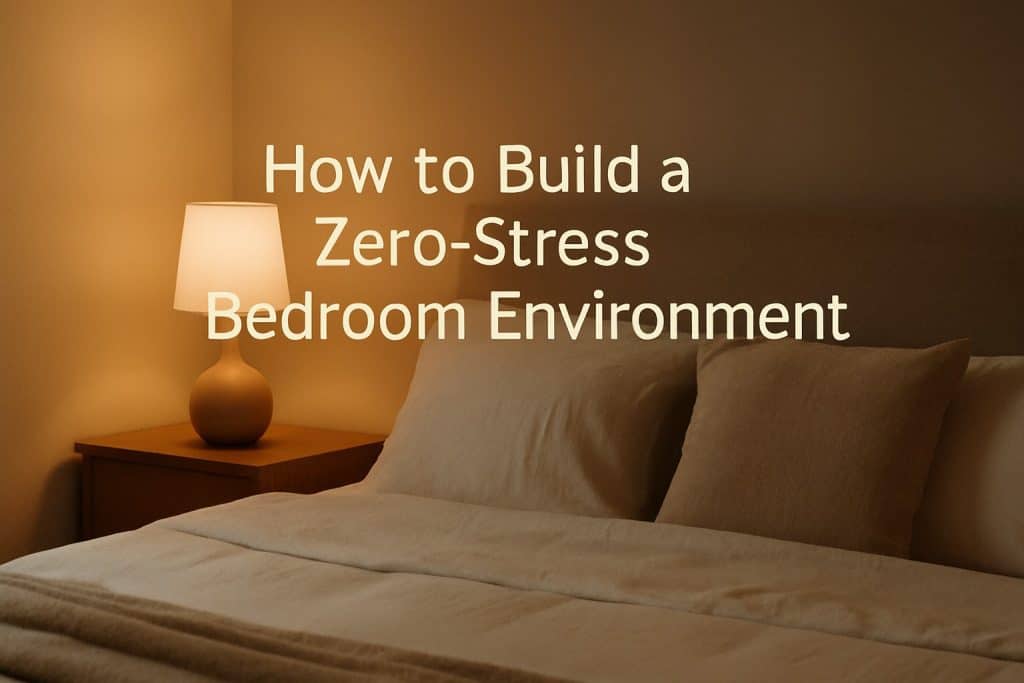
Your bedroom should be the calmest and most emotionally grounding space in your home. Not because everything looks perfect, but because it feels safe and steady, like a retreat from the noise and pressure of the day. A soothing bedroom acts as a buffer that helps your nervous system settle, giving both partners a place where tension can ease. If you want to explore how environment shapes emotional comfort, Creating a Calming Bedroom Atmosphere offers additional support.
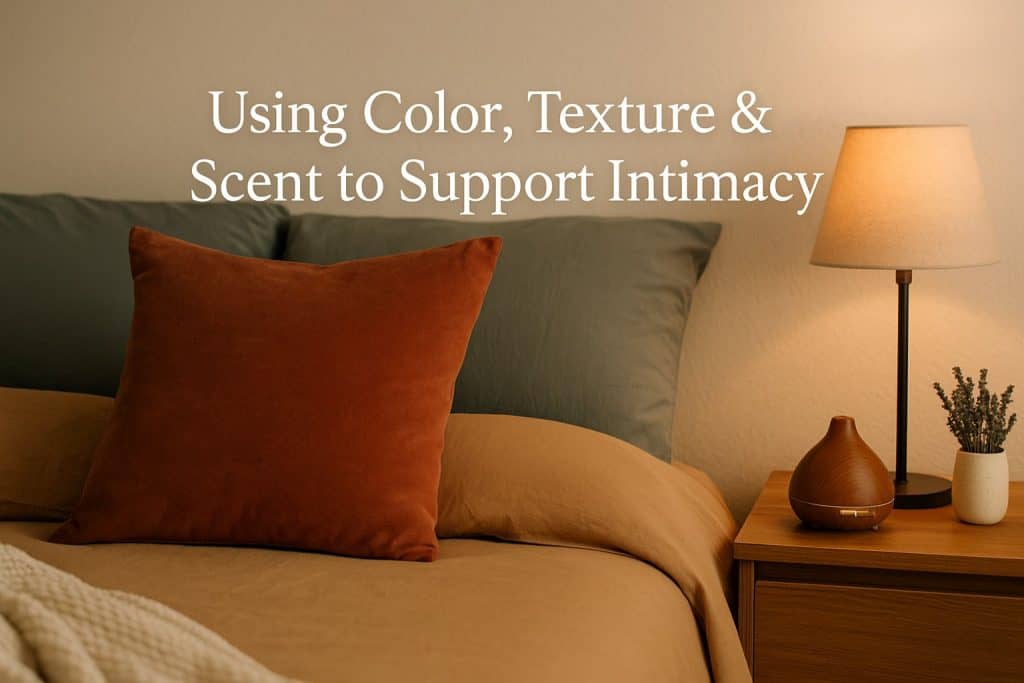
A zero stress bedroom does not require expensive furniture, renovation, or a dramatic makeover. It comes from intentional sensory choices that lower overstimulation, reduce visual and emotional clutter, and make it easier for partners to reconnect in a peaceful environment. These choices mirror the grounding principles found in Using Color, Texture and Scent to Support Intimacy, where gentle sensory cues help the body and mind unwind.
This non explicit, psychology based guide walks you through simple, meaningful steps that transform your bedroom into a calming sanctuary. With a few consistent habits, you and your partner can create a space where you both feel comfortable resting, recharging, and bonding more deeply at the end of every day.
Why a Zero-Stress Bedroom Matters
Environmental psychology shows that sensory overload such as bright lights, clutter, noise, or intense colors can increase cortisol and disrupt emotional comfort. When a bedroom feels calm and grounded, the nervous system settles more easily, which makes connection feel more natural. This mirrors the same principles found in How Touch Helps Calm the Nervous System, where gentle, predictable cues support emotional regulation.
A zero stress bedroom supports:
-
better rest and emotional regulation
-
reduced irritability and tension
-
more meaningful and relaxed conversations
-
smoother, calmer evenings with your partner
-
a steady foundation for closeness and connection
Your environment becomes part of the relationship. It either works with you by lowering stress and creating emotional ease, or it works against you by adding pressure, distraction, and overstimulation. If you want more ideas for shaping an emotionally supportive space, Shared Relaxation Tools for Couples offers simple practices that pair well with a calming bedroom environment.
Step 1: Remove Visual Stress First
Visual clutter is one of the most common sources of stress at home. Even when you do not consciously notice it, your brain continues scanning, sorting, and processing every item in sight. This creates a low level of mental tension that makes it harder to relax. A visually calm room gives your mind permission to settle. If you want to explore how sensory environments shape emotional ease, Creating a Relaxing Sensory Environment at Home offers supportive guidance.
Start With These Areas
-
nightstands: keep only essential items
-
dresser tops: remove piles or scattered belongings
-
floors: clear clothing, bags, or anything left out from the day
-
walls: choose simple décor and avoid overly busy visuals
A visually calm room reduces mental load automatically. When your eyes are not constantly processing clutter, your nervous system softens, and connection becomes much easier. For additional tips on shaping a grounding space, you may also appreciate Using Color, Texture and Scent to Support Intimacy.
Step 2: Create Calm With Lighting
Lighting shapes emotional tone more than almost any other element in a bedroom. Harsh or overly bright lights can make the nervous system feel alert and tense, while warm, gentle lighting encourages the body to settle. A zero stress bedroom replaces stimulating light sources with options that feel soft, warm, and grounding. If you want more ideas for shaping evening ambience, Bedroom Lighting and Ambience Category offers helpful guidance.
Ideal Lighting Choices Include
-
warm toned bulbs around 2700K
-
dimmable bedside lamps for soft control
-
LED candles that add a cozy, peaceful glow
-
no overhead lighting during your evening wind down
Soft lighting sends a clear signal to your body that it is safe to relax. It gently transitions both partners out of the pace of the day and into a calmer emotional space. For more sensory techniques that support relaxation, you may also appreciate Shared Relaxation Tools for Couples.
Step 3: Use Calm Color Psychology
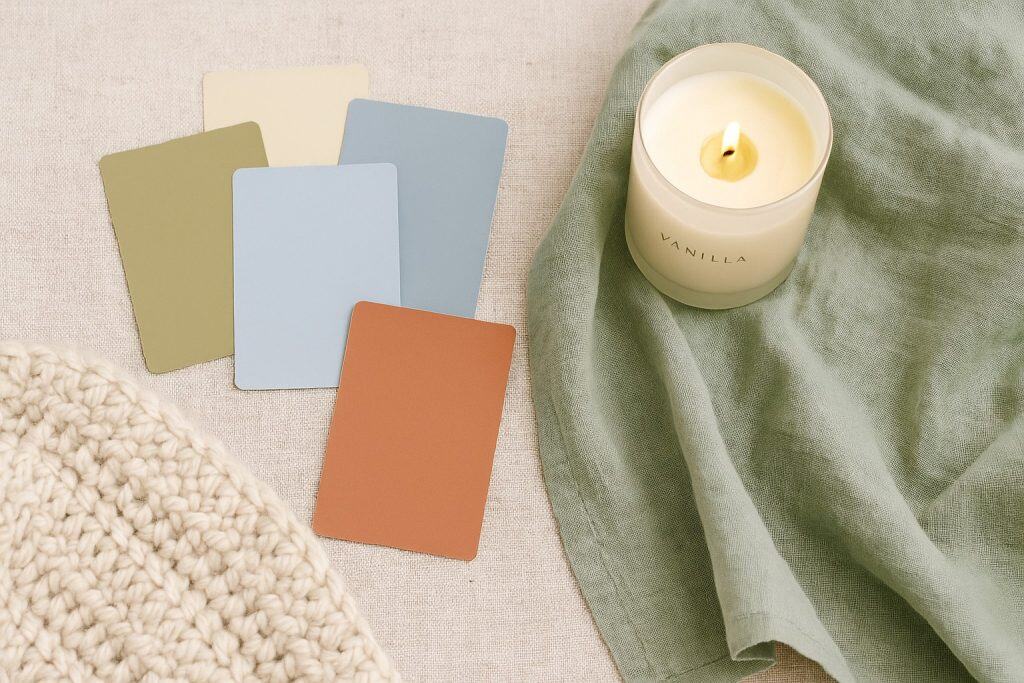
Color has a powerful influence on emotional regulation. High energy or intensely saturated hues can overstimulate the nervous system, while softer tones help the body settle into a calmer state. A zero stress bedroom relies on soothing colors that naturally promote rest, steadiness, and emotional ease. If you want to explore more ways your environment affects comfort, Using Color, Texture and Scent to Support Intimacy offers deeper insight into how sensory choices shape connection.
Best Colors for a Stress-Free Bedroom
-
cool blues that promote calm
-
soft neutrals that feel open and gentle
-
warm beige that brings warmth without intensity
-
muted green that supports grounding
-
earthy tones that create a sense of stability
These shades help lower the body’s stress response and make it easier for both partners to unwind. When the colors around you feel supportive rather than stimulating, your emotional state follows. For additional guidance on creating a soothing emotional environment, Creating a Relaxing Sensory Environment at Home can be a helpful companion resource.
Step 4: Make Your Bed the Comfort Anchor
Your bed is the psychological center of the room. When it feels soft, supportive, and inviting, the entire space becomes emotionally safer. A well prepared bed gives your body a clear signal that it can slow down, release tension, and settle into rest. This comforting foundation supports the same calming principles described in Creating a Calming Bedroom Atmosphere, where small sensory choices have a big impact on emotional ease.
Use These Bedding Elements
-
soft textures such as cotton or bamboo that feel gentle against the skin
-
a supportive mattress topper if your bed needs extra cushioning
-
a soft blanket in warm, grounding tones
-
two to five pillows depending on your personal comfort needs
Comfort communicates care, both to yourself and to your partner. When your bed feels welcoming, the room naturally encourages connection, gentleness, and a slower emotional pace. If you want more ideas for creating soothing tactile experiences, How Different Textures Affect Comfort and Relaxation explores how texture shapes emotional comfort.
Step 5: Reduce Noise and Sensory Overload
Sound has a strong influence on emotional regulation. Sudden noises, inconsistent background sounds, or general auditory clutter can keep the nervous system alert instead of relaxed. A zero stress bedroom uses calm, predictable sound elements to create stability and help both partners unwind. For more ways to shape a peaceful sensory landscape, Creating a Relaxing Sensory Environment at Home offers additional ideas.
Consider Adding
-
white noise machines to create a steady, soothing backdrop
-
nature sounds such as rain, ocean waves, or forest ambience
-
soft instrumental playlists that encourage slow breathing and calm
-
quiet fans or gentle airflow sounds that signal rest
Predictable sound supports emotional stability by giving your nervous system something steady to follow. When the auditory environment is calm and consistent, it becomes easier for both partners to settle into a peaceful rhythm together. If you want more relaxation tools that pair well with sound, Shared Relaxation Tools for Couples can help deepen the atmosphere of ease.
Step 6: Add Stress Reducing Scents
Scent has a direct connection to memory and emotional regulation. Soft, calming aromas can help ground the nervous system and create a sense of openness between partners. When a bedroom consistently carries gentle, relaxing scents, it forms an emotional association with safety and ease. If you want to explore more ways scent and environment influence connection, Using Color, Texture and Scent to Support Intimacy offers a deeper look.
Top Scents for Stress Relief
-
lavender
-
vanilla
-
sandalwood
-
eucalyptus in light amounts
-
cedarwood
These scents work well because they are soothing without being overwhelming. They help calm the mind, reduce lingering tension, and create a more peaceful atmosphere.
Use diffusers, LED candles, or light linen sprays for a subtle and comforting effect. These gentle aromas make the bedroom feel more grounded and emotionally welcoming. For additional tools that pair well with scent based relaxation, you may also appreciate Shared Relaxation Tools for Couples.
Step 7: Remove Emotional Stress Triggers
A zero stress bedroom is not only about décor. It is also about the emotional boundaries you set for the space. Certain items can carry stress, unfinished tasks, or reminders of conflict, and these emotional signals can make it harder for the mind to unwind. Protecting your bedroom as a sanctuary means removing anything that pulls your attention away from calm and connection. For additional guidance on creating emotional ease, How Touch Helps Calm the Nervous System explains how environment and nervous system cues work together.
Remove These Stress Triggers
-
work devices such as laptops, tablets, or anything tied to email
-
unfinished laundry or piles that create mental pressure
-
items associated with arguments or emotional tension
-
bright screens before bed that overstimulate the mind
The goal is to protect your bedroom as a calm, supportive space rather than a workspace or storage zone. When the room is free from emotional stress triggers, you and your partner can settle into a more grounded and connected state. For more tools that support evening relaxation, Shared Relaxation Tools for Couples can help reinforce the peaceful tone you are creating.
Step 8: Create a “Wind Down Ritual” for You and Your Partner
Rituals teach the body and mind how to shift from stress into connection. When you repeat the same calming steps each evening, your nervous system begins to recognize the pattern and settles more quickly. These quiet transitions help both partners ease out of the pace of the day and into a softer, more emotionally open space. If you want additional ideas for shared calming activities, Shared Relaxation Tools for Couples offers supportive options that pair well with evening routines.
Try This Simple Evening Ritual
-
turn off overhead lights
-
turn on warm lamps or gentle candles
-
put away distracting devices
-
add a light scent through a diffuser
-
take one to two minutes of slow breathing together
This gentle ritual signals to both partners that it is time to slow down and reconnect. It creates a predictable emotional landing place, making it easier to feel grounded, attentive, and present with one another. If you want to explore more sensory ways to cultivate a soothing evening environment, Using Color, Texture and Scent to Support Intimacy can offer additional inspiration.
Internal Links
Amazon Product Suggestions (Replace With Affiliate Links)
- Warm light bulbs — Search
- Essential oil diffusers — Search
- Weighted blankets — Search
- Bedside lamps — Search
- White noise machines — Search
Final Encouragement
A zero stress bedroom is not about perfection. It is about creating emotional safety and a sense of calm that supports both you and your partner. When your bedroom feels peaceful, communication becomes smoother, rest comes more easily, and connection feels more natural. The environment itself begins to support the relationship, similar to the grounding benefits explored in Creating a Calming Bedroom Atmosphere.
Start with one small change today. A shift in lighting, a cleared nightstand, or a calming scent can begin transforming the space. Over time, these simple choices build on each other, turning your bedroom into the calmest and most grounding space in your home. With consistency and intention, it becomes a sanctuary where both partners can recharge, reconnect, and feel emotionally held. For more ideas on creating relaxing shared moments, Rituals That Signal We Time for Couples can offer additional support.