How Men Can Explore Intimacy Without Shame or Anxiety
Many men grow up receiving mixed messages about intimacy. They are encouraged to appear confident, yet discouraged from showing curiosity, vulnerability, or uncertainty. Over time, these pressures create quiet pockets of shame, performance anxiety, or discomfort that follow them even into committed relationships. Instead of approaching personal exploration with curiosity, many men learn to avoid it, hide it, or tense up around it. This makes the experience feel more like something to manage rather than something that could support emotional grounding.
Exploring intimacy does not have to feel stressful or confusing. When men are given supportive guidance, the process becomes calmer, more predictable, and more emotionally steady. Resources like How Touch Helps Calm the Nervous System and Shared Relaxation Tools for Couples show how gentle awareness and slow pacing can reshape the way the body experiences comfort. The same principles apply here.
This article offers a psychology based, emotionally supportive framework for exploring intimacy without shame or anxiety. It is not about graphic detail. It is about emotional comfort, grounded masculinity, and building a steadier relationship with yourself. By creating space for curiosity, self understanding, and mindful awareness, you can develop confidence that feels real, calm, and rooted in genuine self respect.
Why Shame Shows Up for Men
Shame often begins with early messages about what masculinity “should” look like. Many men are encouraged to stay composed, controlled, or emotionless, while being discouraged from showing curiosity or seeking comfort. Over time, these ideas create a quiet disconnect between what men feel internally and what they believe they are supposed to feel. This disconnect can make intimacy feel tense or uncertain instead of supportive. Resources like Understanding Your Partner’s Touch Preferences highlight how common it is for people to feel unsure about their own comfort cues when they were never shown how to notice them.
Common Sources of Shame
- Cultural pressure to “be in control” at all times
- Fear of judgment from partners or society
- Lack of education about intimacy or emotional awareness
- Religious or family messaging rooted in guilt
- Past rejection or performance anxiety
Shame is not a personal flaw. It is a sign that you were never given the emotional tools you deserved. When you gently ground yourself, using supportive practices like those found in How Touch Helps Calm the Nervous System, you create the safety needed to unlearn old patterns and reconnect with your own comfort.
Why Exploring Intimacy Is Healthy for Men
When men explore on their own, without pressure or expectations, they create a rare opportunity to slow down and connect with themselves emotionally and physically. This kind of private, grounded exploration helps quiet performance worries and supports a calmer relationship with the body. It allows men to tune into their own comfort cues in the same steady, mindful way encouraged in resources like How Touch Helps Calm the Nervous System. Over time, this builds confidence, emotional steadiness, and a deeper sense of self understanding.
Healthy Benefits of Solo Exploration
- Reduced anxiety around touch, pacing, and expectations
- Better communication with partners about needs
- Improved emotional awareness and ability to stay present
- Healthier relationship with masculinity
- Confidence through self-understanding
Exploring intimacy is simply another form of self care. It carries the same emotional benefits as meditation, exercise, or therapy by helping you reconnect with your body, reduce stress, and build a calmer foundation for your well being.
Overcoming Anxiety Through Mindful Awareness
Anxiety often appears when men feel pressure to perform, meet expectations, or evaluate themselves while they are trying to relax. This internal tension can pull you out of your body and into your thoughts. Mindfulness helps shift the experience from “What should this feel like?” to “What do I actually feel right now?” This grounded awareness aligns closely with the calming principles found in Shared Relaxation Tools for Couples, where slowing down helps the nervous system settle.
Mindful Practices for Intimacy
- Breathe slowly and notice tension in your body
- Pay attention to your emotions without correcting or suppressing them
- Take pauses when your mind wanders or feels overwhelmed
- Stay curious instead of goal-focused
Mindful intimacy teaches men how to stay present, connected, and confident. It creates space for the body to guide the experience, allowing exploration to feel calmer, more natural, and emotionally supportive.
How Tools Can Help Men Explore Without Shame
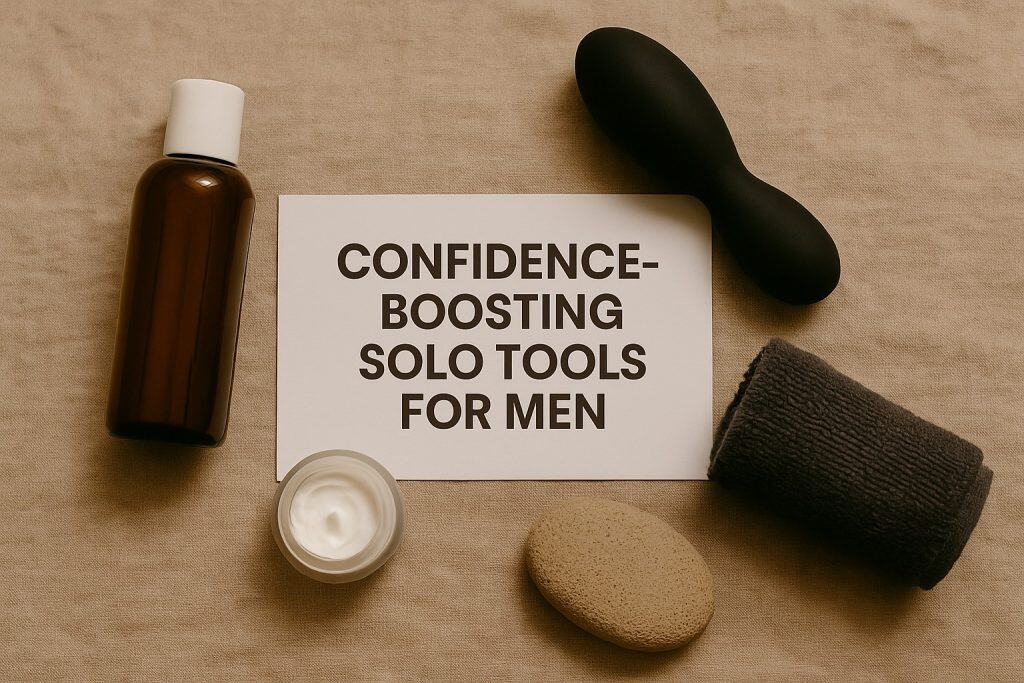
Intimacy tools are not about intensity. They are about guidance, structure, and emotional safety. For many men, using a tool removes the pressure to “perform” or “get it right” and replaces it with a steady, predictable experience. This helps quiet overthinking and creates an environment where the body can relax. Tools can also support the same calm awareness encouraged in practices like How Different Textures Affect Comfort and Relaxation, where sensation is approached gently and mindfully.
Supportive Tools for Shame-Free Exploration
- Soft manual sleeves — gentle, beginner-friendly, and pressure-free
- Light vibrating tools — great for reducing overthinking
- Silicone wellness rings — help with pacing and mindfulness
- Hands-free sleeves — consistent rhythm supports relaxation
- Prostate wellness tools — increase body awareness and grounding
Tools act like emotional training wheels. They provide structure, soften internal pressure, and help men connect with themselves without judgment or shame.
Releasing Shame Through Understanding
Shame often grows quietly in the background, but it loses its strength the moment you give it a name. When you understand where your shame began, you can separate your present self from old beliefs that never supported your well being. This kind of gentle self awareness mirrors the emotional grounding encouraged in resources like How Touch Helps Calm the Nervous System, where slowing down helps you notice what is really happening inside your body and mind.
Questions That Help Dissolve Shame
- “Who taught me to be ashamed of curiosity?”
- “Whose voice am I hearing when I feel guilty?”
- “What would I tell another man feeling this same shame?”
- “Is this belief helping me or hurting me?”
Most shame comes from old programming, not from who you are today. When you pause, reflect, and question these inherited messages, you create space for a healthier, more compassionate relationship with yourself.
Building Emotional Safety in Exploration
Emotional safety is the foundation of shame free exploration. When men create conditions that support comfort, steadiness, and self respect, confidence grows naturally. Setting yourself up with calm surroundings and gentle pacing mirrors the grounding principles found in Shared Relaxation Tools for Couples, where the environment plays a major role in helping the body relax.
Ways to Build Emotional Safety
- Set the environment: quiet, private, calm lighting
- Choose gentle products that feel approachable
- Use water-based lubricant for comfort and ease
- Set a slow pace to avoid overwhelming yourself
- Give yourself permission to explore without judgment
Your comfort matters. You deserve exploration that feels safe, steady, and free from pressure.
Internal ManTalk Tools for Shame-Free Exploration
Amazon Product Types (Replace With Your Affiliate Links)
- Soft manual sleeves — Search
- Light vibrating tools — Search
- Wellness rings — Search
- Hands-free sleeves — Search
- Beginner prostate wellness tools — Search
- Water-based lubricant — Search
Final Encouragement
You deserve a relationship with intimacy that feels confident, grounded, and free from shame. When you explore at your own pace, with gentleness and curiosity, you give yourself space to understand your body and emotions in a calmer, more compassionate way. This approach mirrors the same grounding, steady principles found in practices like How Touch Helps Calm the Nervous System, where slow awareness builds lasting confidence.
Exploring with emotional safety allows you to replace old tension with self understanding. It helps you notice what feels comfortable, what feels supportive, and what helps your body relax. Over time, this strengthens the kind of grounded masculinity that comes from knowing yourself rather than performing for outside expectations. Resources such as Understanding Your Partner’s Touch Preferences show how powerful this kind of awareness can be in every part of your life.
Shame is not a sign of weakness. It is a sign that no one ever taught you how to explore with calmness and emotional clarity. Today, you have the chance to give yourself the permission you never received. With patience, kindness, and steady self attention, you can build a relationship with intimacy that feels supportive, confident, and genuinely your own.