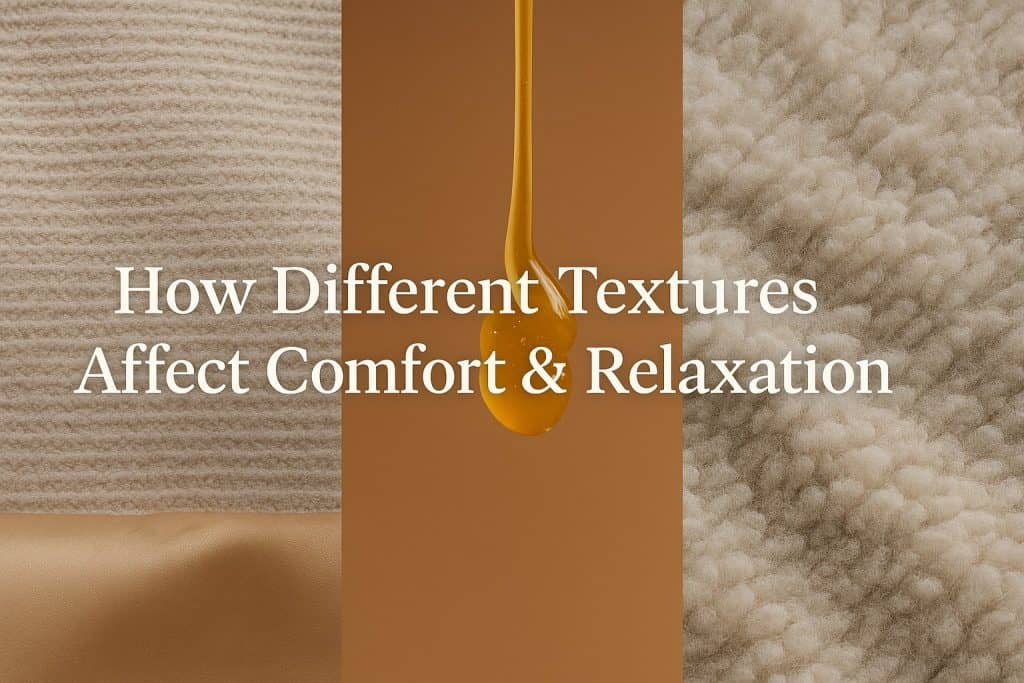
How Different Textures Affect Comfort and Relaxation
Texture plays a meaningful role in how comfortable, relaxed, and emotionally present a couple feels. The way something glides across the skin, whether it feels light, silky, or cushiony, can change the entire emotional atmosphere of a shared moment. Texture influences not only the physical ease of movement, but also how grounded and connected partners feel together. This is the same sensory awareness explored in Accessories That Support Calm, Comfort and Connection, where small sensory details shift the emotional energy in powerful ways.
Every texture creates a slightly different emotional tone. A light glide might feel refreshing and gentle. A silky movement may feel luxurious and soothing. A thicker, richer cushiony feel can offer warmth, grounding, and emotional steadiness. Understanding these differences helps couples choose what best supports the type of connection they want to create. This guide is completely non explicit and focuses on the calming, relational impact of texture rather than technique.
This guide also supports the concepts explored in Understanding Types of Lubricants, where lubricant categories influence both comfort and emotional ease. Here, the focus is specifically on texture and how it affects relaxation and presence.
Why Texture Matters for Comfort
Texture affects how the body responds to touch, movement, and pressure. When the texture matches the emotional tone of the moment, the nervous system relaxes and the entire experience becomes smoother and more grounded. This mirrors the principles found in How Touch Helps Calm the Nervous System, where predictable, soothing sensory input brings the body into a calmer state.
When texture feels right, the body does less work to adapt. Instead of bracing or adjusting, it softens. This makes it easier for both partners to stay present, emotionally open, and connected.
Texture Influences Comfort By:
shaping how smooth or cushioned the movement feels
reducing tension or sensitivity
helping partners feel emotionally safer
supporting predictability in touch
making slow, mindful connection easier
Think of texture as the emotional temperature of the moment. It influences the energy, pace, and depth of relaxation. When you choose a texture that supports calmness, the entire experience becomes easier, more grounded, and more emotionally aligned. This is especially supportive during experiences like the slow paced connection described in How to Give a Partner Focused Massage, where sensory comfort guides the emotional atmosphere.
The Three Primary Texture Categories
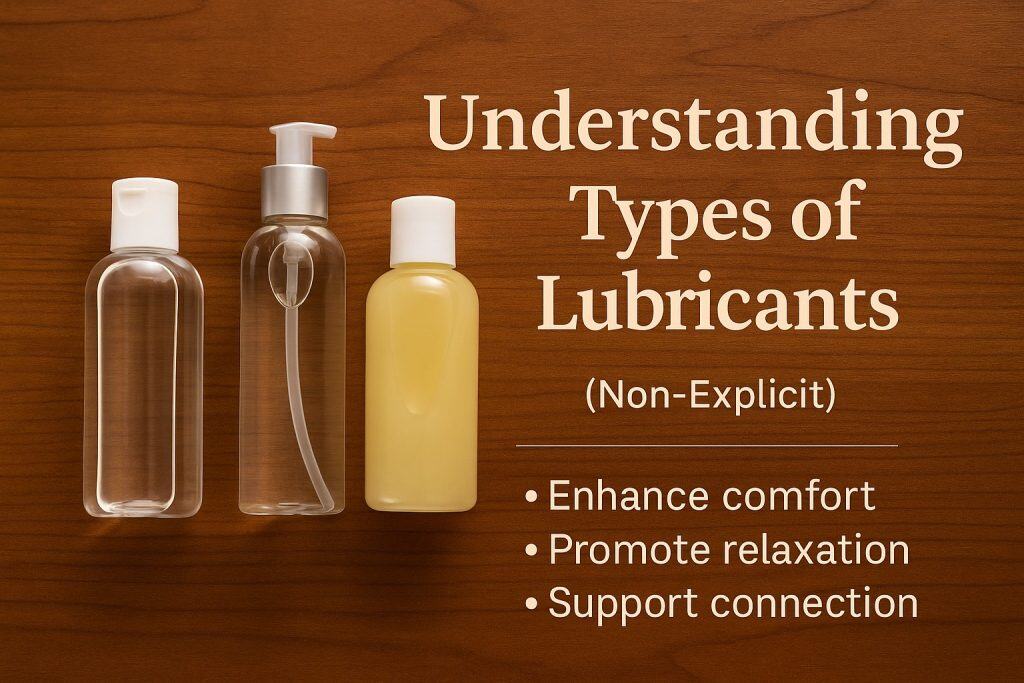
In the world of lubricants, most textures fall into three main groups. Each one feels different, moves differently on the skin, and creates a unique emotional tone. Understanding these textures helps couples choose the sensation that best supports the kind of connection they want to create. This connects closely with the comfort-based approach explored in Understanding Types of Lubricants, where the focus is on creating ease, safety, and emotional grounding.
Each texture group shapes the experience in its own way. Light textures feel natural and breathable. Silky textures feel luxurious and long lasting. Rich textures feel warm, padded, and grounding. None are better or worse. They simply offer different emotional rhythms, much like the sensory adjustments described in Creating a Relaxing Sensory Environment at Home.
Below is a deeper look at the three main texture families and how each one supports relaxation and emotional connection.
1. Light, Refreshing Textures
Light textures are most commonly found in water based lubricants. They feel natural, breathable, and closest to the body’s natural moisture. Because they absorb more quickly and do not feel heavy, they are ideal for couples who prefer a simple, unobtrusive sensation. Light textures support a sense of emotional gentleness similar to what is described in Talking to Your Partner About Comfort Preferences, where subtlety and softness help the body relax.
Characteristics:
- very light glide
- absorbs easily
- feels similar to natural moisture
- not heavy or sticky
Best For:
- beginners or sensitive skin
- partners who prefer a natural, simple sensation
- quick or straightforward comfort needs
- gentle moments where the goal is ease rather than intensity
Light textures help couples feel relaxed without distraction. They create a soft, quiet emotional tone that works well for beginners or for evenings where the focus is on simple comfort.
2. Silky, Long Lasting Textures
Silky textures are typically found in silicone based lubricants. They offer a smooth, luxurious feel that lasts without needing to reapply. The silky glide supports slow pacing and mindful connection, making it easier for both partners to stay relaxed and emotionally present. This is the same soothing, steady energy described in How to Give a Partner Focused Massage, where consistent movement helps the nervous system unwind.
Characteristics:
- silky and soft glide
- does not absorb quickly
- smooth and consistent from beginning to end
- ideal for longer or more intentional experiences
Best For:
- extended relaxation sessions
- partners who enjoy a luxurious, silky feel
- moments involving warm baths or showers
- slow paced connection where comfort is the priority
Silky textures help reduce tension and ease the body into deeper relaxation. Their consistency makes them especially good for partners who want a steady, predictable experience.
3. Rich, Cushioned Textures
Rich textures are most common in oil based lubricants. They create a thicker, more padded feel that is warm, grounding, and nourishing. These textures are ideal for massage based rituals, slower emotional pacing, and intimate moments where grounding is key. They pair beautifully with the sensory bonding described in Couples Beginner Guide to At Home Massage, where warmth and depth create a deeply calming experience.
Characteristics:
- thicker and more substantial
- deeply moisturizing
- glide lasts a long time
- ideal for massage or slow paced connection
Best For:
- soothing massage or slow touch
- partners who prefer warmth and richness
- comfort focused bonding rituals
- evenings centered around grounding and emotional softness
Rich textures support a calm, slow rhythm. They help partners sink into the moment and feel more emotionally anchored, making them ideal for evenings where the focus is connection rather than movement.
Choosing a Texture Based on Emotional Needs
Lubricant texture is not just a physical preference. It is also an emotional one. Different textures support different moods, energies, and levels of relaxation. The way something feels on the skin influences how the nervous system responds, which is the same principle explored in How Touch Helps Calm the Nervous System. When you choose a texture that aligns with the emotional tone of your moment together, connection feels smoother, calmer, and more intuitive.
Some evenings call for softness and reassurance. Others call for deep relaxation. And some moments are centered around warmth, grounding, and slower emotional pacing. Thinking about texture through an emotional lens makes it easier to select something that supports the atmosphere you want to create, much like choosing lighting, scents, or sensory tools as described in Creating a Calming Bedroom Atmosphere.
For Emotional Softness
- light, airy textures
- ideal for gentle reassurance and beginner comfort
- helpful when the goal is emotional safety and ease
Light textures pair well with the gentle, beginner friendly connection style discussed in Talking to Your Partner About Comfort Preferences, where subtlety and softness help both partners relax.
For Deep Relaxation
- silky, long lasting textures
- perfect for slow, intentional experiences
- supports deeper breathing and steady emotional presence
Silky textures often work beautifully during slow paced bonding moments such as those in Shared Relaxation Tools for Couples, where consistency and smoothness help the body unwind.
For Warm, Grounding Moments
- rich, cushioned textures
- great for massage or sensory bonding rituals
- ideal for partners wanting warmth and stability
Rich textures align with the grounding, nurturing style found in Couples Beginner Guide to At Home Massage, where padded, warm sensations help deepen comfort and emotional closeness.
Understanding these emotional connections makes it easier to choose textures that feel not only good on the skin but supportive to the heart. When the emotional tone and physical sensation match, the experience feels safe, comforting, and mutually enjoyable. Texture becomes a tool for connection rather than something you choose at random. It gently shapes the atmosphere, helping both partners relax into each other with more ease and presence.
How to Explore Textures Together
Couples do not need to guess when it comes to choosing the right texture. Exploring textures together can become a gentle, low pressure bonding activity that encourages curiosity, communication, and emotional closeness. When both partners get to feel each option and share their reactions, the process becomes collaborative rather than uncertain. This mirrors the same supportive approach found in Talking to Your Partner About Comfort Preferences, where small, honest conversations strengthen trust and safety.
Exploring textures together also helps couples slow down and become more aware of their sensory responses. It turns a simple decision into a moment of presence and shared discovery. The process is similar to the calming explorations used in Shared Relaxation Tools for Couples, where gentle experimentation creates ease rather than pressure.
Try This Texture Exploration Ritual
- Choose three textures such as light, silky, and rich.
- Apply a very small amount to your fingertips or forearm. This keeps the experience simple and comfortable.
- Notice how each one feels including cushion, glide, warmth, and softness. Tune into what helps your body settle.
- Share preferences openly using calm, supportive language such as this one feels calming to me or this one feels a little heavy or light.
- Pick one texture that aligns with the emotional tone of your evening, similar to how you might choose lighting or scent in Using Color, Texture and Scent to Support Intimacy.
This simple exploration builds communication, curiosity, and comfort. It helps both partners understand each other’s sensory world and creates a shared foundation for emotional connection. By slowing down and exploring textures together, you create the same relaxed, grounded energy described in Creating a Relaxing Sensory Environment at Home, where small sensory choices deepen presence and closeness.
Internal Links
Amazon Product Suggestions (Replace With Affiliate Links)
- Light texture water-based lubricants — Search
- Silky silicone lubricants — Search
- Rich oil-based options — Search
- Massage oils — Search
- Aromatherapy body oils — Search
Final Encouragement
Texture is one of the quiet but powerful tools that supports comfort, ease, and emotional connection. When you choose a lubricant texture that matches your needs and the mood you want to create, the entire experience becomes smoother. The body relaxes more easily, the mind feels safer, and both partners can settle into a calmer and more connected rhythm together. This mirrors the same soothing principles explored in How Touch Helps Calm the Nervous System, where small sensory choices create meaningful emotional shifts.
The right texture is never about more or better. It is about finding what feels soothing, predictable, and emotionally aligned for the two of you. A light texture may support emotional softness. A silky texture may help deepen relaxation. A rich, cushioned texture may offer grounding warmth during slow, intentional bonding. Each option has its place, and each one supports a different kind of closeness.
When couples choose with care rather than guesswork, they build the same sense of safety and attunement that appears throughout Lube, Oils and Accessories. These small choices shape the emotional atmosphere just as much as lighting, pace, or tone. They remind your partner that you want them to feel comfortable, supported, and fully at ease.
Let texture become another simple way you show care. When your environment feels gentle and supportive, connection becomes easier, more natural, and more deeply felt, just like the calm, intentional experiences described in Shared Relaxation Tools for Couples.
If you want, you can now send the next page you’d like expanded, or the first section of the next page.