Accessories That Support Calm, Comfort and Connection
When couples think about deepening their connection, they often focus on communication, trust, and emotional closeness. These are essential, but there is another powerful and often overlooked element that shapes how connected you feel: sensory comfort. Your environment affects how your body and nervous system respond to closeness. A space that feels soothing, warm, and predictable makes it easier to be fully present with one another.
Sensory comfort is not about expensive items or elaborate setups. It is about creating an atmosphere where the mind and body can settle. When your environment feels soft, calming, and emotionally gentle, your nervous system stops bracing. Muscles relax. Breathing becomes deeper. Mental noise fades. This makes emotional closeness easier because both partners feel grounded enough to open up. Many of these principles echo the ideas in Creating a Relaxing Sensory Environment at Home, where small shifts in sensory input create large shifts in emotional well being.
Thoughtfully chosen accessories can transform the tone of a shared moment. A warm compress, a calming scent, or soft ambient lighting can help both partners drop into a calmer emotional rhythm. These tools do not create connection, but they support the conditions where connection naturally grows. Even the smallest sensory changes can help the body unwind and make time together feel more soothing. This approach aligns with practices from Shared Relaxation Tools for Couples, where sensory comfort becomes a quiet way of nurturing the relationship.
This guide explores accessories that support calm, comfort, and emotional closeness. These items are not about performance or intensity. They are about presence. They help you slow down, breathe, and approach your partner with softness and attentiveness. They create an emotional environment where closeness feels natural and grounded.
Why Comfort Accessories Matter
Sensory input has a powerful effect on the nervous system. Your body takes constant cues from your surroundings to decide whether it can relax or whether it needs to stay alert. When the environment feels warm, stable, and familiar, the body shifts into a calmer state. When sensory input supports rather than overwhelms, emotional intimacy flows more easily. These ideas mirror the calming strategies in How to Build a Zero Stress Bedroom Environment, where sensory clarity promotes emotional ease.
Comfort accessories help cultivate this sense of safety. They create predictable, soothing sensations that reduce overstimulation and help partners stay grounded. When the body relaxes, the heart softens. When the senses feel supported, emotional closeness becomes effortless. A comfortable environment makes it easier to connect, share, and stay present with one another.
This is why sensory comfort is not optional. It is one of the quiet foundations of closeness, relaxation, and trust.
Comfort Accessories Help:
-
reduce overstimulation and sensory fatigue
-
create predictable, soothing sensations that calm the body
-
help partners slow down and breathe more deeply
-
support gentler, more mindful connection
-
establish emotional safety that encourages closeness
-
transform the atmosphere of a room without effort
Accessories do not replace connection. They support it. They create a foundation of calm that allows emotional warmth to rise to the surface. When the body relaxes, the mind follows, and connection becomes something you can settle into with ease.
The Most Supportive Comfort Accessories for Couples
The following tools are all non-explicit, beginner-friendly, and designed to encourage closeness through sensory relaxation.
1. Massage Oils for Soothing Rituals
Massage oils are one of the most effective tools for physical relaxation because they help the body shift out of tension and into comfort. When a small amount of warmed oil is paired with slow, intentional touch, the nervous system begins to settle. Muscles release. Breathing deepens. The entire atmosphere becomes quieter and more grounded. This creates a moment where both partners can move out of a busy mindset and into a calmer emotional space.
Massage oils also invite mindfulness. They encourage both partners to slow down, pay attention, and be fully present with each other. The warmth of the oil, the softness of the movement, and the gentle rhythm all work together to create emotional closeness.
Why Massage Oils Help:
-
smooth, gentle glide that supports slow, soothing touch
-
warmth helps muscles soften and increases relaxation
-
natural ingredients such as coconut or jojoba nourish the skin
-
encourages intentional, present moment bonding
-
helps both partners unwind during transitions from busy days
Best For:
-
wind down rituals
-
relaxation before connection
-
gentle aftercare style moments
-
soothing touch during emotional check ins
2. Warm Compresses or Heating Pads
Warmth is psychologically grounding. When the body feels warm, it interprets that sensation as safety and comfort. This makes warm compresses or heating pads incredibly helpful for partners who carry tension in their shoulders, back, or neck. Even a few minutes of applied warmth can soften tight muscles and help the nervous system shift into a more relaxed state.
Warm compresses are especially helpful during stressful days or times when either partner feels emotionally overloaded. The warmth gives the body a predictable, comforting sensation that encourages slow breathing and ease.
Benefits:
-
reduces muscle stiffness
-
creates a cozy, comforting sensation
-
signals emotional safety to the nervous system
-
helps the body transition into relaxation mode
Best For:
-
stressful days
-
evening wind down routines
-
partners who carry physical tension
-
moments when emotional grounding is needed
3. Soft Fabric Blindfolds (Non Kink Version)
A soft fabric blindfold is not about intensity or control. It is about focus. When one sense is gently reduced, other senses become more noticeable. This helps partners feel more present with each other, especially during quiet, slow moments. A blindfold encourages mindfulness by reducing visual distraction, which can deepen attunement and emotional connection.
The soft material is important. It should feel gentle on the skin and comforting rather than restrictive. The goal is not to create tension, but to offer a subtle sensory shift that enhances awareness.
Benefits:
-
increases awareness of touch
-
reduces visual distractions
-
heightens emotional attunement
-
creates an experience of slow, mindful presence
Best For:
-
slow, mindful moments
-
couples exploring gentle sensory play
-
building trust and attentiveness
-
grounding after a long day
4. Ambient Lighting Tools
Lighting has a powerful effect on emotional tone. Soft, warm lighting signals calmness, safety, and slowness. Harsh lighting can keep the mind alert, but gentle lighting encourages the nervous system to soften. This makes ambient lighting tools one of the simplest and most effective ways to create a peaceful atmosphere.
You do not need elaborate lighting to shift the mood. Even a small change in brightness or color can create a more soothing environment that supports connection.
Helpful Options:
-
LED candles with gentle flicker
-
dimmable bedside lamps
-
color changing ambient lights
-
Himalayan salt lamps
-
warm toned light bulbs
These tools help create an environment that feels open, unhurried, and emotionally safe.
5. Scent Diffusers for Emotional Grounding
Scent is deeply tied to emotion. A gentle, calming scent can help the mind shift into relaxation quickly, creating a shared atmosphere that feels grounded and peaceful. Diffusers are especially helpful because they create subtle, consistent fragrance without overwhelming the senses.
Certain scents can reduce stress, encourage deeper breathing, or help the body move into a calmer state.
Best Scents for Relaxation:
-
lavender for calming the nervous system
-
vanilla for warmth and comfort
-
sandalwood for grounding and stability
-
chamomile for soothing tension
-
cedarwood for emotional grounding
Choose subtle scents to avoid overstimulation. The goal is to create a background of calm.
6. Soft, Cozy Blankets
A soft, cozy blanket is one of the simplest comfort tools, yet it has a powerful emotional effect. A warm, plush texture naturally signals safety to the body. When wrapped in softness, the nervous system relaxes and breathing becomes steadier. Blankets encourage stillness, closeness, and quiet conversation.
Blankets also create a shared space. When both partners sit under the same blanket, it produces a sense of togetherness and warmth that feels grounding and intimate.
Best For:
-
emotional check ins
-
in bed relaxation
-
comfort focused bonding
-
quiet evening routines
A cozy blanket makes the environment feel stable and welcoming.
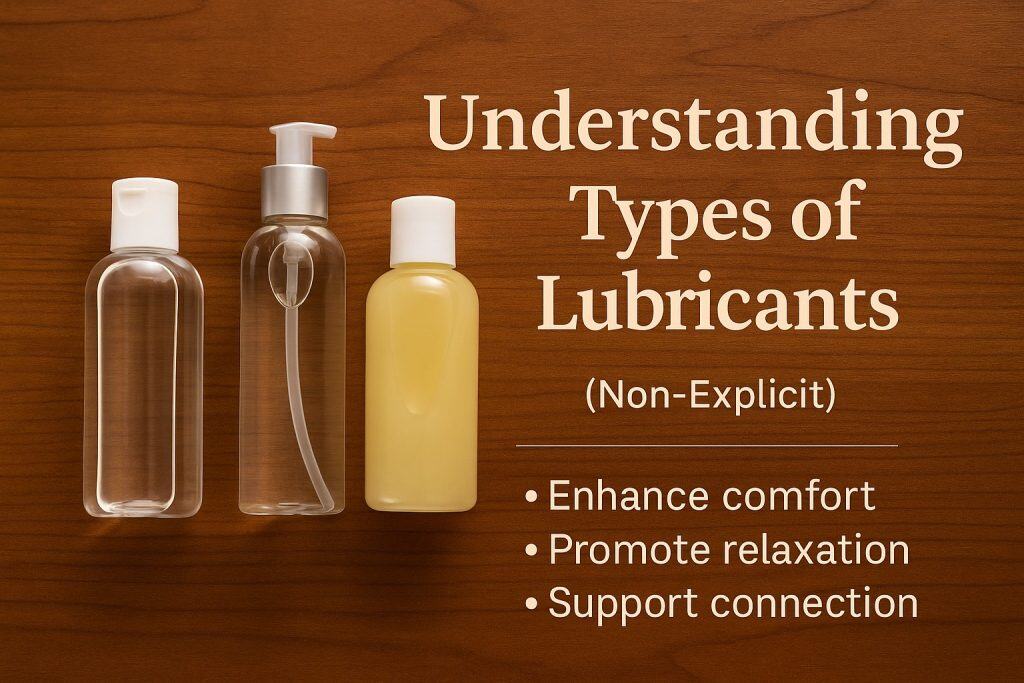
7. Smooth, Skin Friendly Lubricants
Lubricants are not just functional. When chosen thoughtfully, they support comfort, relaxation, and gentle connection. Smooth textures reduce friction and help partners stay physically at ease, which encourages a slower, more mindful pace.
The right lubricant adds a sensation of softness that helps the body relax. Many people find that using a soothing, skin friendly texture makes shared moments feel calmer and more comfortable.
Comfort Benefits:
-
smoother movement
-
gentle texture helps reduce tension
-
supports slow, mindful connection
-
improves comfort during any physical closeness
Choosing textures that feel soothing can significantly improve the quality of connection and increase emotional relaxation.
How Accessories Support Emotional Connection
Accessories may seem simple, but they play a meaningful role in shaping the emotional tone of a shared moment. When comfort increases, emotional barriers naturally decrease. The nervous system relaxes. Breathing slows. The body softens. These shifts make it easier for both partners to stay present, attentive, and emotionally open. When the environment feels safe and soothing, connection is not something you have to force. It becomes something you naturally ease into.
Comfort tools work by reducing sensory distractions. They help the body settle enough for the mind to follow. When muscles loosen and tension fades, you are less likely to overthink. You are less self conscious. You are more receptive to closeness because your nervous system is not trying to protect you. Accessories create a space that allows presence to come forward, rather than stress or mental noise.
These tools also encourage mindfulness. They give both partners something shared to focus on, whether it is warmth, texture, scent, or gentle lighting. Shared sensory experiences strengthen emotional bonding because they anchor you both in the same moment. Instead of being in separate headspaces, you meet in the same emotional rhythm.
Accessories Encourage:
-
relaxed, predictable touch that feels calming and reassuring
-
a sense of safety in shared moments
-
mindfulness and deeper attentiveness
-
shared sensory experiences that promote closeness
-
slower pacing that supports emotional clarity
-
an environment where both partners feel grounded and open
It is not the accessory itself that matters. It is the emotional environment it helps create. A warm compress, a gentle scent, or a soft light is simply a tool that guides the body toward ease. Once the body relaxes, the heart follows. These small choices shape the kind of connection that feels effortless, comforting, and deeply human.
Internal Links
Amazon Product Suggestions (Replace With Affiliate Links)
- Massage oils — Search
- Heating pads — Search
- Soft fabric blindfolds — Search
- LED candles — Search
- Scent diffusers — Search
- Cozy blankets — Search
Final Encouragement
Comfort accessories are not about spicing things up. They are about creating grounding, emotional safety, and a deeper sense of closeness. When you choose tools that help the body relax, you make it easier for the mind and heart to open. Connection becomes something that unfolds naturally instead of something you have to plan or push toward. These accessories work quietly in the background, guiding both partners toward a calmer, more peaceful shared space.
The goal is never performance. The goal is presence. A warm light, a soft blanket, a gentle scent, or a smooth texture can shift the energy of a moment in ways that help both partners feel emotionally held. These small environmental touches make it easier to slow down, breathe, and actually feel each other’s presence without distraction.
You do not need a shelf full of tools to make this work. Start with one or two items that feel inviting. Explore what helps your bodies relax and what helps your minds unwind. Pay attention to how each accessory changes the atmosphere. Some tools may become favorites. Others may feel helpful only during certain moods or routines. Let your shared preferences guide the process rather than rushing to cover everything at once.
When comfort becomes part of your connection, trust grows naturally. You begin to associate your shared space with calmness, safety, and emotional warmth. This makes every moment together feel more supportive and aligned. Over time, these simple choices create a relationship environment where connection is not something you search for. It is something you settle into with ease.